Introduction
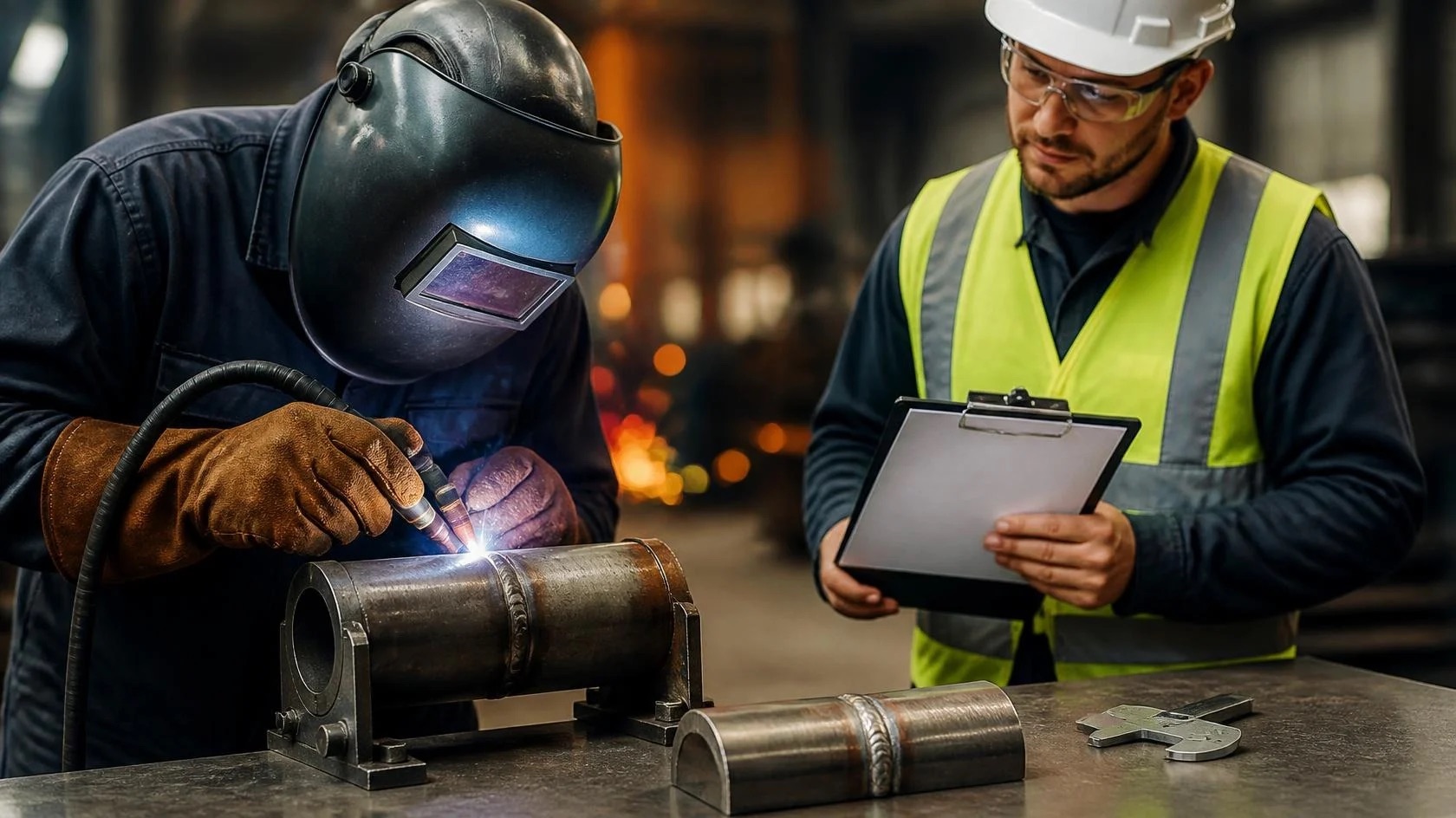
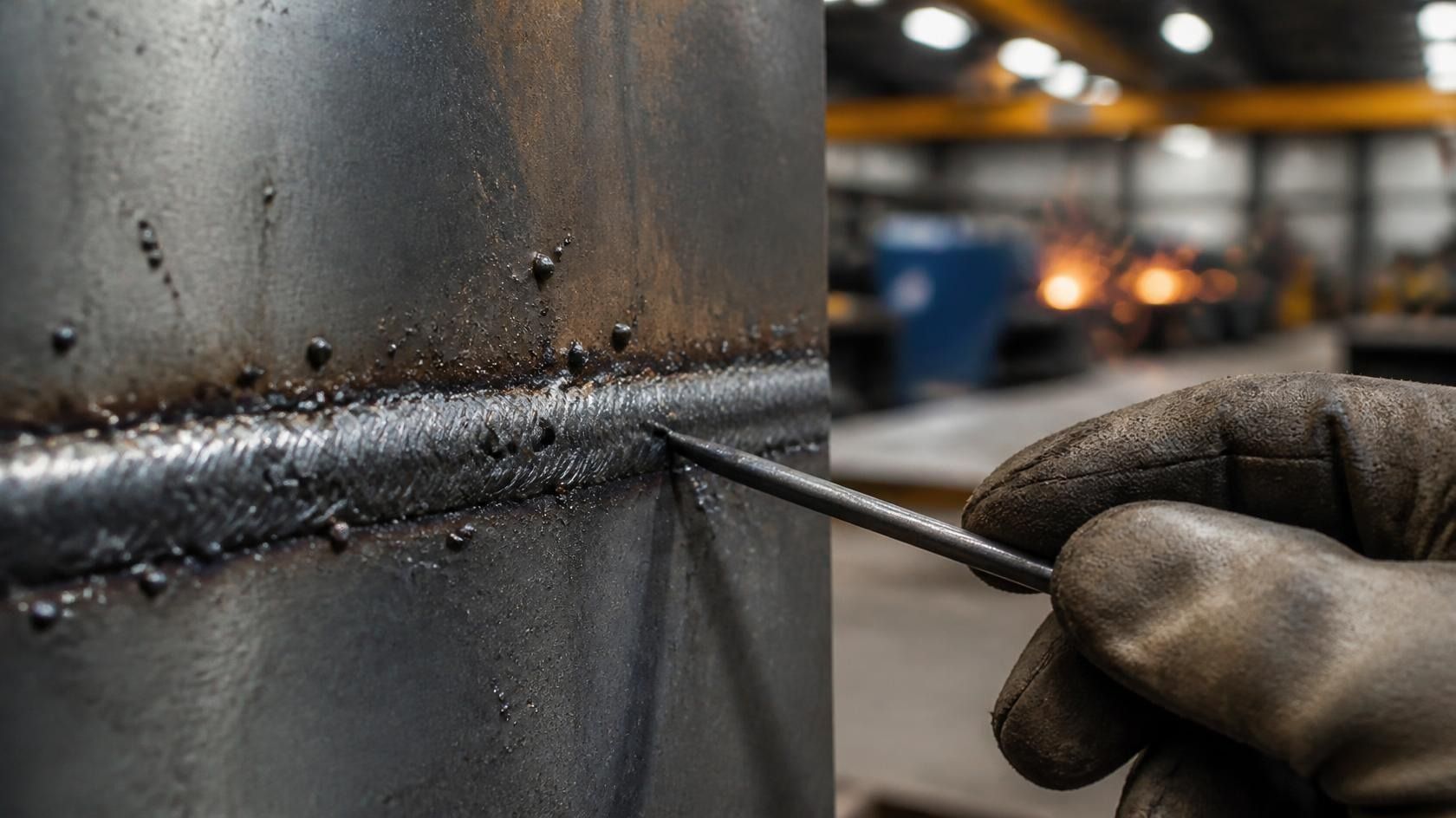
Advanced welding processes offer cleaner welds, less distortion and faster output making them more costly in comparison to conventional equipment. They also require more operators for the same reason. Thus, the important question for a fabrication shop is whether the chosen pulse can pay off for work that the shop does.
Pulse MIG
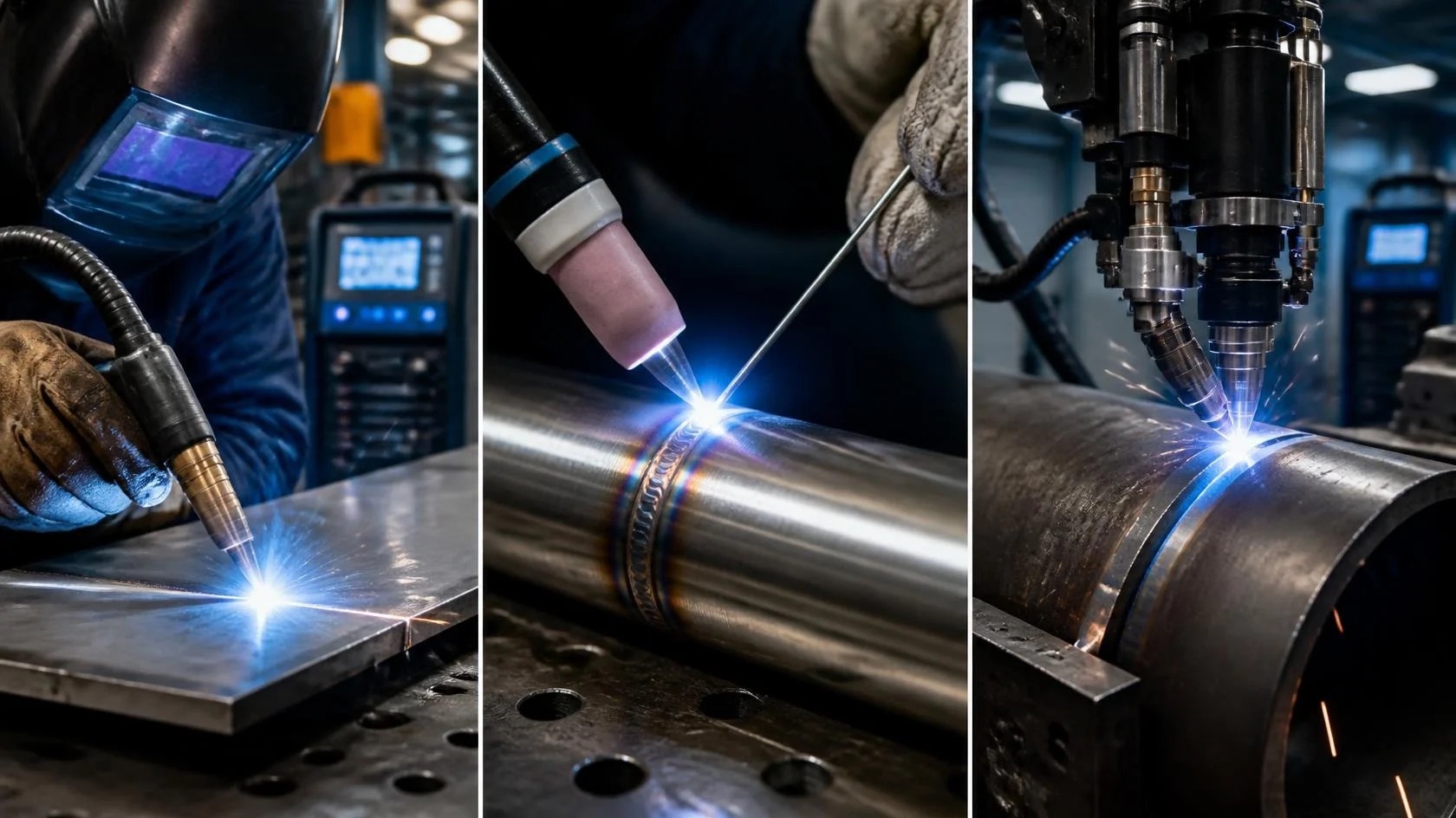
Pulse MIG is a process that rapidly switches between a high peak current and a low background current. One drop of filler material is transferred across the arc during each peak, whereas the arc stays lit during the background phase but does not transfer the metals. This results in smooth, low-spatter quality of spray transfer at a lower average heat input. This method is important because conventional spray transfer runs at high and continuous current which limits it to flat and horizontal positions. Pulse MIG also extends spray-quality welding to all the positions and thinner sections. Modern techniques also use synergic controls which link the pulse settings to a single wire speed making it easy for welders to balance several variables by hand.
When to Use Pulse MIG
Below stated are some of the materials that use Pulse MIG:
- Aluminum: Aluminum can conduct the heat quickly, melt at low temperature, and distort easily. Pulse reduces average heat input and limits warping and burn-through on thin sections.
- Stainless Steel: Lower heat input reduces heat tint and create a risk of carbide precipitation which helps in holding up corrosion resistance and post-weld cleaning drops.
- Thin Mild Steel: Pulse MIG creates less splatter and less distortion which helps in improving appearance on visible work such as railings and sheet metal assemblies.
- Out-of-Position Welding: A smaller and more controlled puddle makes vertical-up and overhead weld easier to manage.
- Poor Fit-Up: The background phase of Pulse MIG allows the puddle to cool down slightly and bridge the gaps.
When to NOT Use the Pulse MIG
Pulse MIG is not a correct choice for every application. For example, conventional spray works faster on heavy plates in a flat position. A shop that mostly welds mild steel in flat and horizontal positions cannot recover the price of a premium pulse-capable machine.
Pulse TIG
Pulse TIG also works on the same principle as Pulse MIG. The peak current melts the base metal and builds penetration while the lower background current keeps the arc stable and allows the weld pool to cool slightly. This provides welder close control over heat input, a narrower heat-affected zone and less distortion. This control makes the pulse TIG suitable for thin stainless steel, titanium and other heat sensitive materials and for industries aerospace, medical devices and food equipment. In all these applications weld appearance and cleanliness matter. This control also helps on root passes and out-of-position joints. However, TIG is slower than MIG so pulse TIG is suitable for applications where quality and precision are worth more than travel speed.
Hot Wire and Cold Wire TIG
Standard manual TIG depends on the welder to feed filler rod by hand which limits their deposition rates. Wire-fed TIG systems solve this in two ways. In cold wire TIG, filler wire is fed mechanically in the weld pool at a steady rate which improves consistency and frees the welder’s hand and can work well in mechanized or automated setups. On the other hand, in hot wire TIG, the filler wire is preheated with a separate current before it enters the pool. As it is already hot, it melts instantly and does not cool the pool. Its deposition rate is also higher than cold TIG wire and creates a cleaner weld of inert-gas quality. These systems are often used in thick-wall pipe, narrow-groove welds, pressure vessels and cladding or overlay work where the quality of TIG is required but the manual TIG would be too slow. However, their limitations are more equipment, longer set-up and less flexibility on short runs or awkward joints.
How to Choose Between the 3 Types
- Pulse MIG: Pulse MIG is best for productivity on aluminum, stainless steel and thin to medium sections.
- Pulse TIG: It is suitable for precision work on thin or heat-sensitive materials where appearance matters the most.
- Hot or Cold Wire: It is ideal for high-quality welds on thick, repetitive or mechanized work.
How to Know If the Investment will Pay Off
Below stated are some of the questions to be asked to understand whether these advanced processes are worth buying:
- Does the fabrication shop weld aluminum and stainless steel regularly?
- Does the shop consider distortion, rework or post-weld cleanup as a real cost?
- Is the work done in vertical or overhead positions?
- Is there a repetition of welds to justify a mechanized setup?
- Are welders trained to use synergic controls and pulse settings?
If the answer is yes for two or more questions, installation of advanced processes will likely improve the results. The next step is to compare the equipment and training cost against savings from less rework, faster cleanup, fewer rejected parts and shorter cycle times. It is also advisable to run a pilot on one job type while tracking rework and cycle time as it gives the real numbers before committing to a larger purchase.
Take Away
This is a brief explanation about Pulse MIG, Pulse TIG and hot and cold wire TIG. We hope this information will be effective for you. Please let us know through your valuable feedback and suggestions in the drop box.