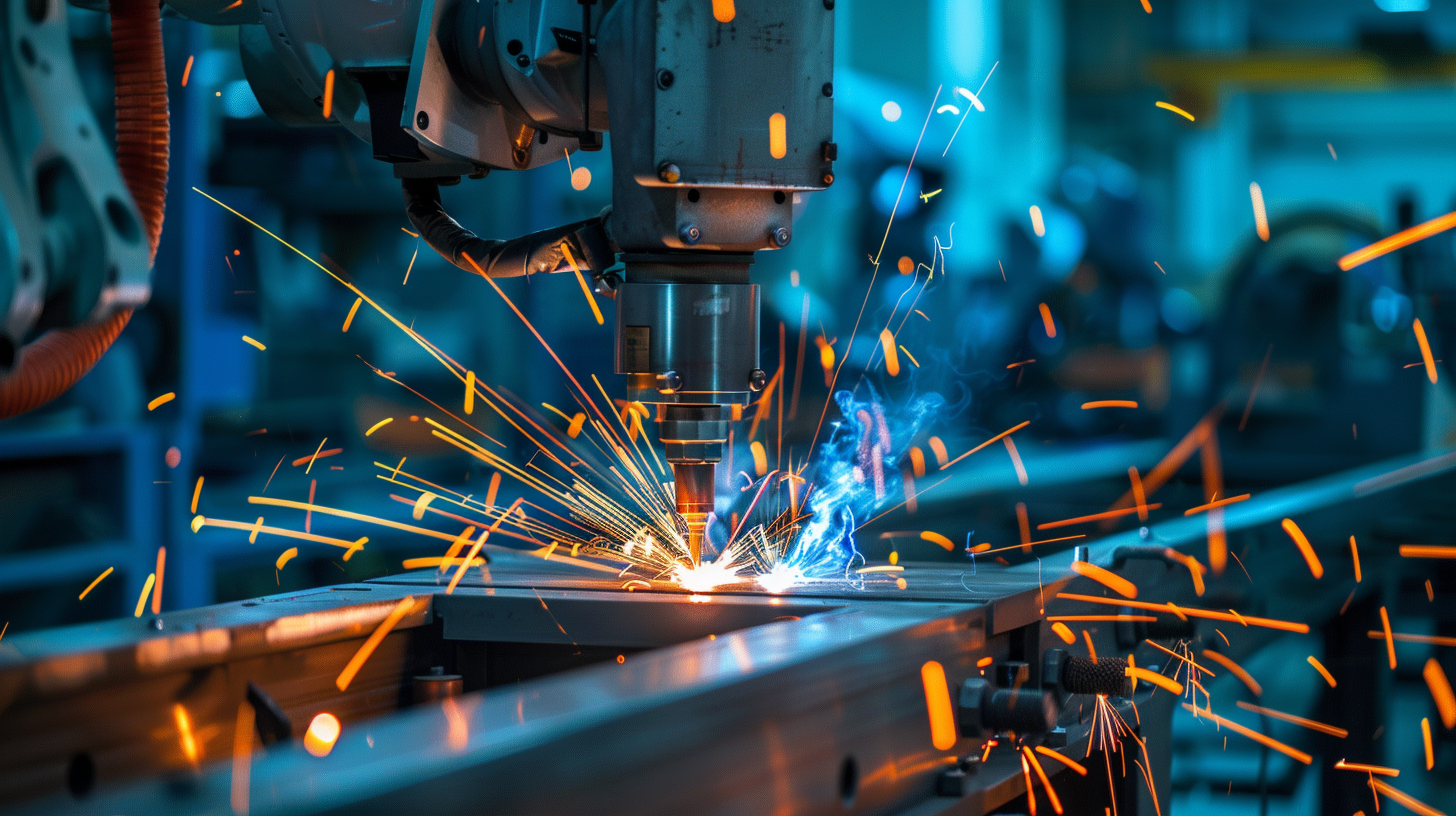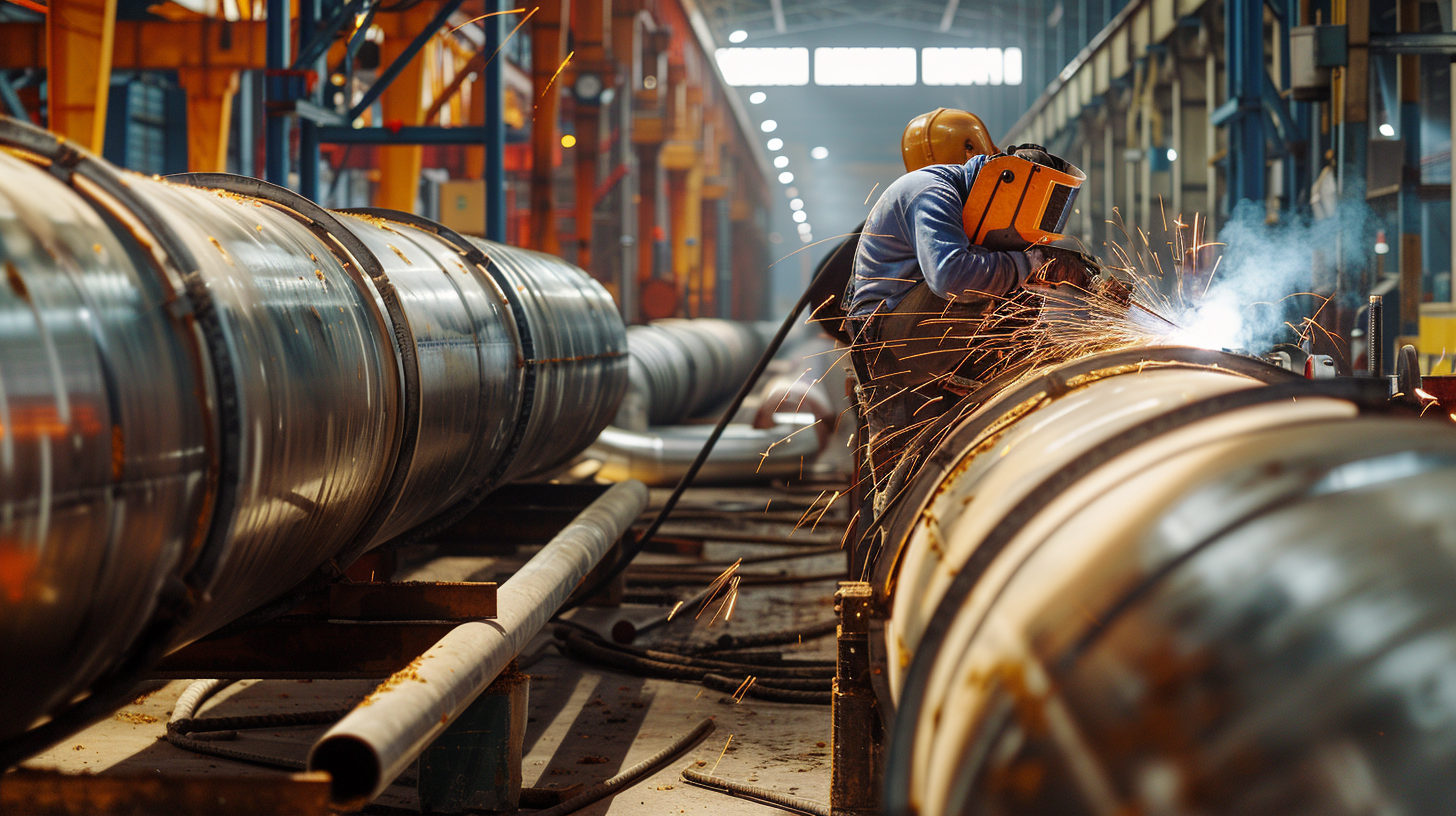
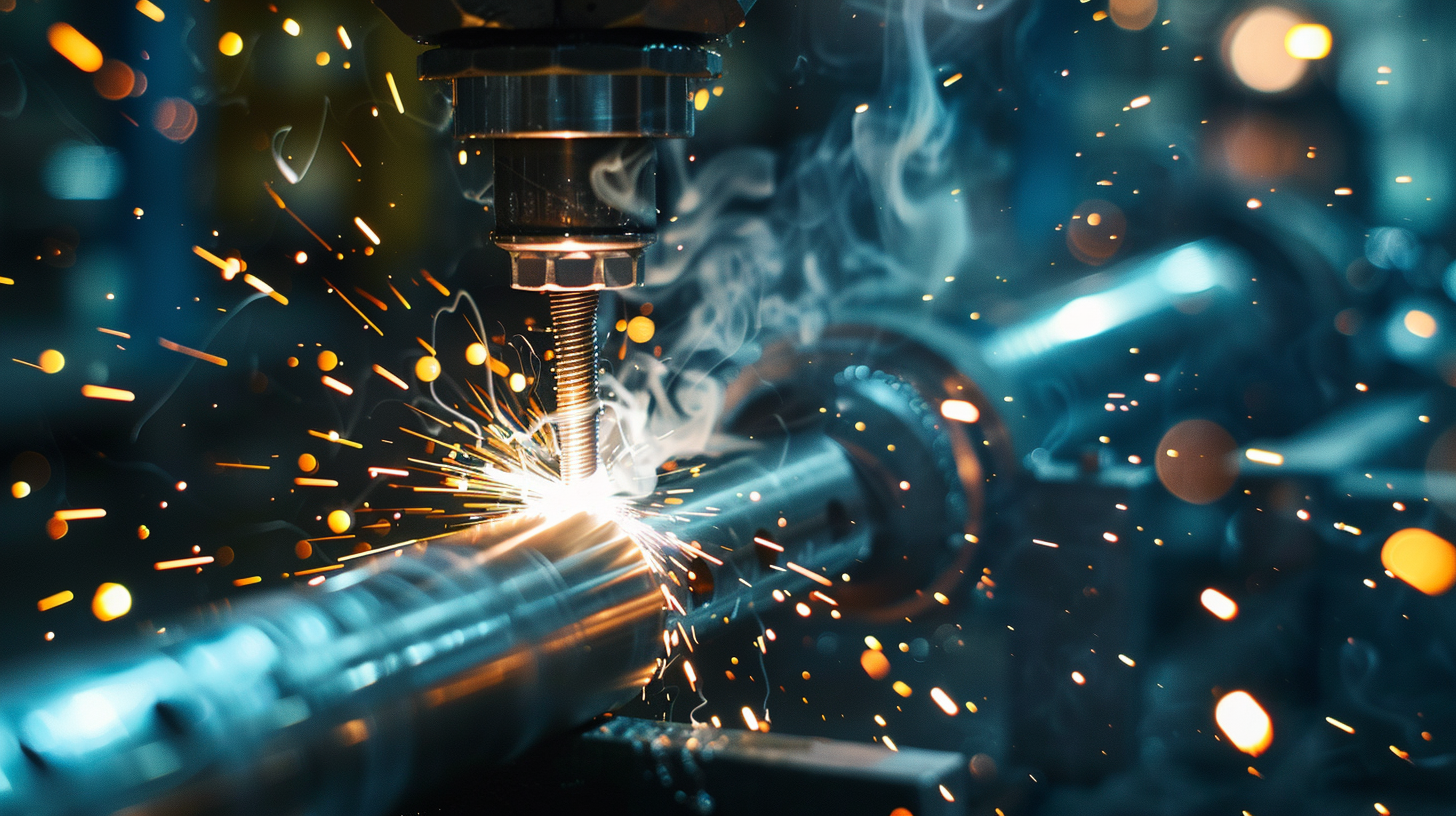
Walk through any modern shipyard, steel-frame building, or automotive assembly line, and you’re likely standing near thousands of welds you’ll never see. Many of them were made in a fraction of a second, from one side of the material, without a single bolt hole drilled. That’s the quiet magic of stud welding systems — a fastening method that’s become the backbone of fast, strong, and repeatable metal joining across heavy industry.
If you’ve ever wondered how fabricators attach studs, pins, and anchors to steel without warping the surface or spending hours drilling and tapping, this is the process behind it. Let’s break down how stud welding systems actually work, where you’ll find them on the job, and why so many fabricators consider them a non-negotiable part of their toolkit.
What Is Stud Welding and How Does It Work?
Stud welding is a fastening process that joins a metal stud — essentially a threaded or unthreaded pin — directly to a base metal surface using an electric arc. Instead of drilling, tapping, or riveting, the fabricator presses a specialized welding gun against the workpiece, triggers a brief but intense arc, and fuses the two metals together almost instantly. The result is a full-strength, one-sided weld that doesn’t require access to the back of the material.
There are two main types of stud welding systems used in fabrication today, and each is suited to different materials and applications.
Drawn Arc Stud Welding
Drawn arc stud welding is the go-to method for larger-diameter studs and thicker base materials. The stud is loaded into the welding tool’s chuck, and a ceramic ferrule is placed around the tip to shield and concentrate the arc. When the trigger is pulled, the tool’s internal lift mechanism draws the stud back slightly, creating a pilot arc that melts both the stud tip and the base metal. The stud is then plunged into the molten pool, and the two components fuse as they cool.
This process can produce welds in as little as 0.06 seconds and works reliably on base metals as thin as 0.048 inches (about 1.2 mm), according to industry welding resources. It’s especially valued for its ability to create strong, structural-grade welds on rougher or heavier steel.
Capacitor Discharge (CD) Stud Welding
Capacitor discharge, or CD, stud welding takes a different approach. Rather than drawing an arc, it stores electrical energy in a bank of capacitors and releases it in one rapid burst — often within just a few milliseconds. That burst vaporizes a small tip on the stud, creating an ionized path that allows current to arc across the joint and fuse the parts together almost instantaneously.
Because the weld cycle is so short, CD stud welding produces minimal heat distortion, discoloration, or burn-through, which makes it ideal for thin sheet metal. It also doesn’t require ferrules or flux, which speeds up production and reduces consumable costs. Fabricators typically reach for CD systems when welding small-diameter studs to thin or finish-sensitive materials, like stainless steel panels or enclosures.
Where Stud Welding Systems Are Used
Stud welding isn’t a niche technique — it shows up across nearly every heavy fabrication industry, largely because it solves the same problem in every setting: attaching hardware quickly, strongly, and without compromising the surrounding material.
Construction and Infrastructure
In construction, stud welding systems are used to anchor shear studs to structural steel beams, attach guardrails and highway barriers, and mount road signage that has to withstand years of vibration, wind, and traffic. The strength and consistency of the weld matters enormously here, since these components are structural and safety-critical rather than cosmetic. Notably, U.S. highway and bridge construction spending climbed 9.2% in 2024, reaching a record $108 billion, according to Expert Market Research — a trend that’s been a direct driver of demand for stud welding equipment in the infrastructure space.
Automotive Manufacturing
On the automotive side, stud welding systems are used to attach body panels, exhaust brackets, wiring clips, and chassis hardware. Manufacturers increasingly favor this “no-hole” fastening approach because it avoids the corrosion and leak risks that come with drilled and bolted connections. In high-volume production lines, the speed and repeatability of stud welding — often integrated into robotic welding cells — make it far more efficient than traditional mechanical fastening.
Shipbuilding and Marine Fabrication
Shipbuilders rely on stud welding for a surprising range of tasks: securing insulation, running wire and cable management systems, mounting control panels, and installing fluid lines throughout a vessel. Because ships are built from thick steel plate and require thousands of individual fastening points, stud welding’s speed advantage compounds quickly across a full build. Industry analysts note that shipbuilding is projected to be one of the fastest-growing application segments for stud welding equipment in the coming years, driven by expanding marine infrastructure investment.
Why Fabricators Choose Stud Welding Systems
The appeal of stud welding comes down to a few practical advantages that matter on any shop floor or job site.
- Speed. A single weld can be completed in a fraction of a second, which adds up to massive time savings across large-scale projects with thousands of attachment points.
- One-sided access. Because the weld doesn’t require reaching the back of the material, fabricators can work on enclosed structures, tanks, and assemblies where drilling simply isn’t an option.
- Full strength joints. Unlike adhesives or some mechanical fasteners, a properly executed stud weld achieves the full tensile strength of the base metal.
- Minimal distortion. Especially with CD stud welding, the brief weld cycle limits heat spread, protecting thin or finished surfaces from warping or discoloration.
- Reduced labor and material costs. Eliminating drilling, tapping, and secondary fastening steps cuts both time and consumable costs over the life of a project.
This combination of speed and reliability is also reflected in the market itself. The global stud welding machine market was valued at roughly $1.29 billion in 2025 and is projected to keep growing at a compound annual rate of over 4% through 2035, according to Expert Market Research. That growth is being pulled along by exactly the industries described above — construction, automotive lightweighting, and shipbuilding — all of which depend on stud welding systems to keep production moving without sacrificing structural integrity.
Key Takeaways for Fabricators
Before choosing or specifying a stud welding setup, it helps to keep a few best practices in mind:
- Match the process to the material. Use drawn arc welding for larger studs and thicker structural steel, and CD welding for smaller studs on thin or finish-critical sheet metal.
- Don’t skip ferrules where required. For drawn arc welding, the ceramic ferrule isn’t optional — it shields the arc and shapes a clean, consistent weld fillet.
- Account for base metal thickness. Welding a stud to material that’s too thin for the process can cause burn-through or a weak joint, so always check manufacturer specifications.
- Factor in production volume. High-volume manufacturing environments benefit from automated or robotic stud welding cells, while smaller job sites often do fine with portable handheld units.
- Test before you commit. A quick bend test on a sample weld can confirm joint strength before a full production run begins.
Final Thoughts
Stud welding systems have earned their place in construction, automotive, and shipbuilding because they solve a very practical problem: how do you attach hardware to metal, quickly and strongly, without weakening or disfiguring the surface? Whether it’s drawn arc welding for heavy structural steel or capacitor discharge welding for delicate sheet metal, the technology gives fabricators a level of speed and precision that traditional fastening methods simply can’t match.
If your shop is still relying on drilling and bolting for jobs that could be done faster and stronger with a stud weld, it may be time to take a closer look at what a modern stud welding system can do for your workflow. Talk to a welding equipment specialist about the right setup for your materials and production volume — the time and labor savings tend to pay for the equipment faster than most fabricators expect.