Introduction
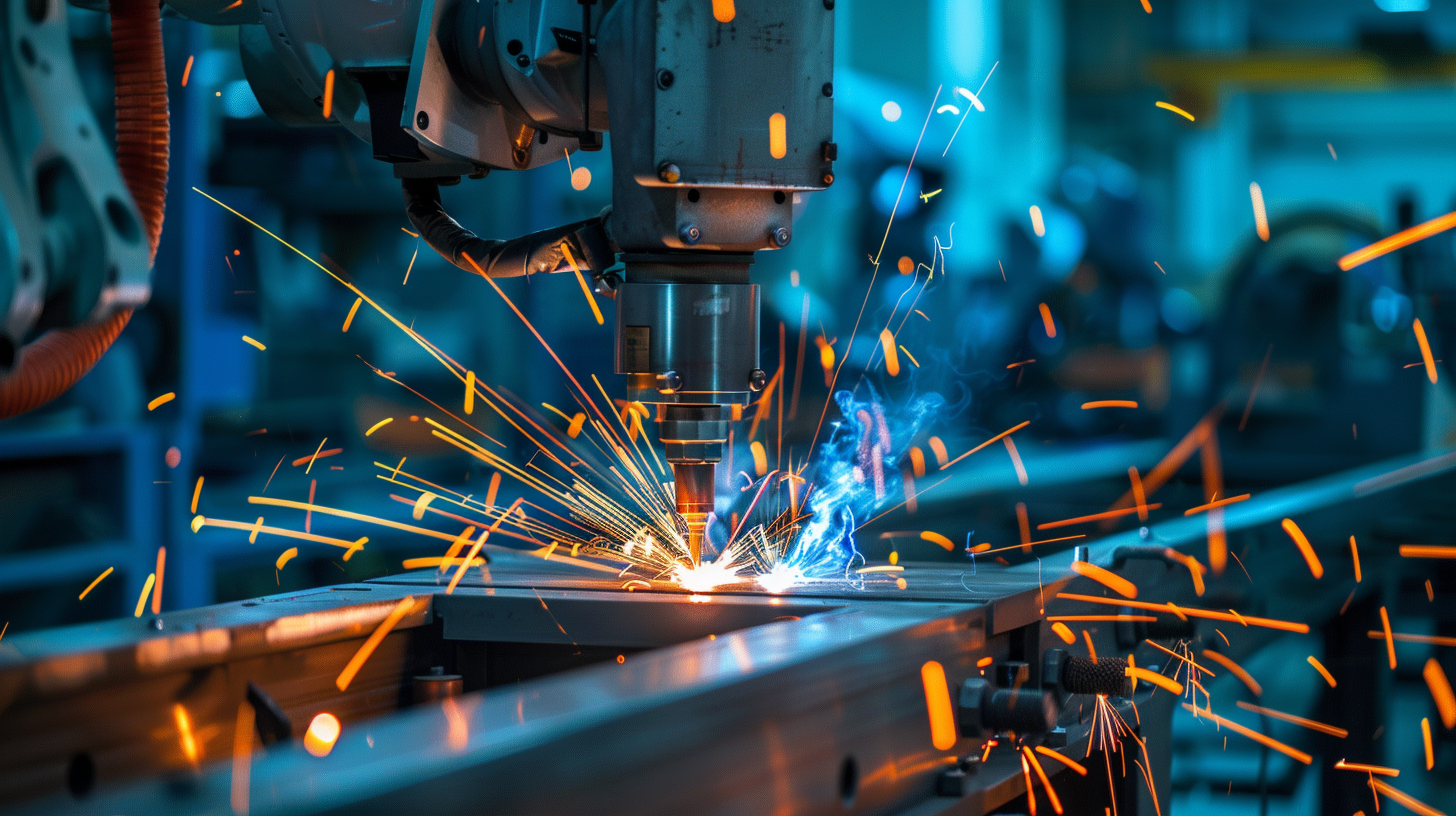
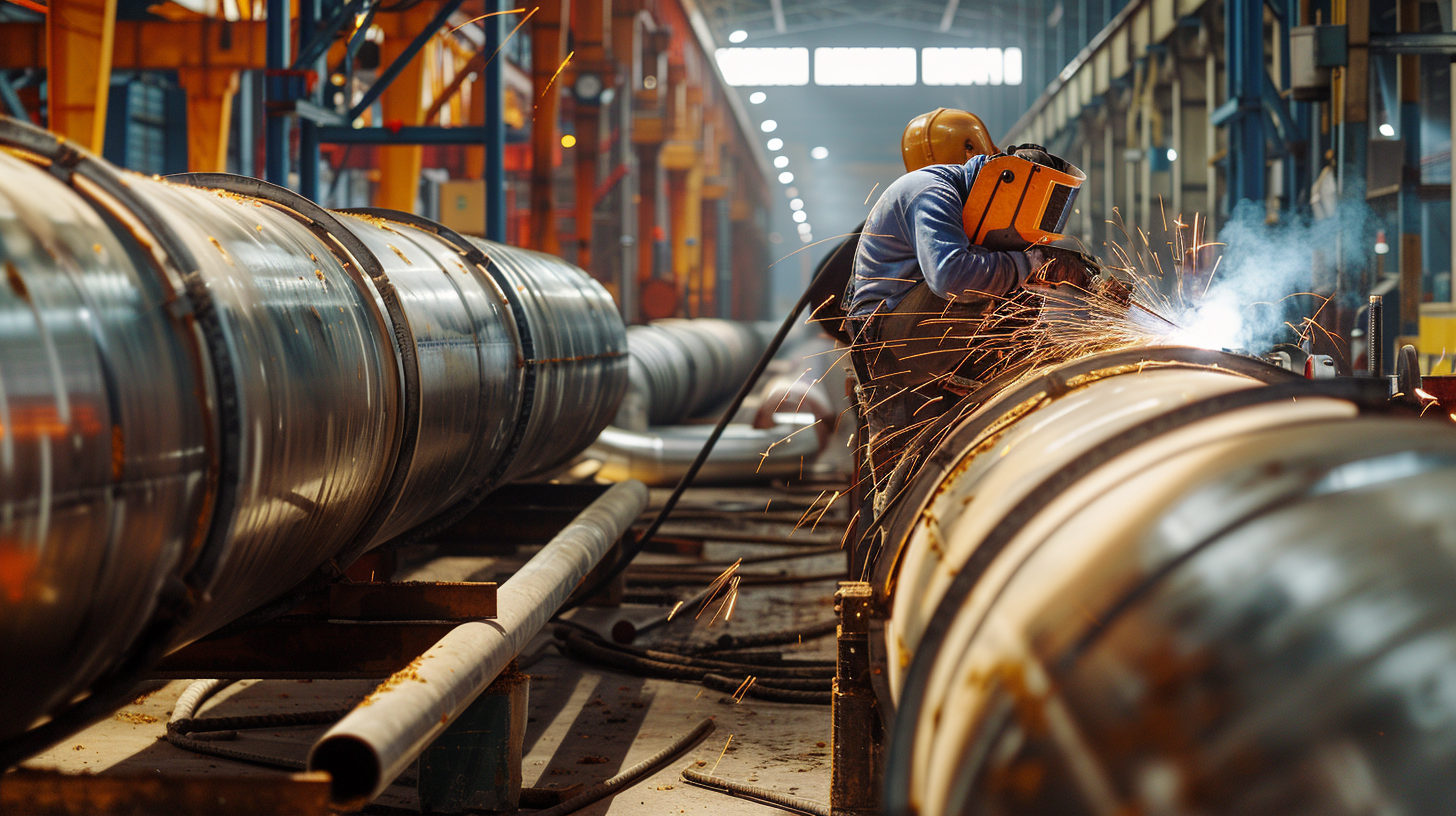
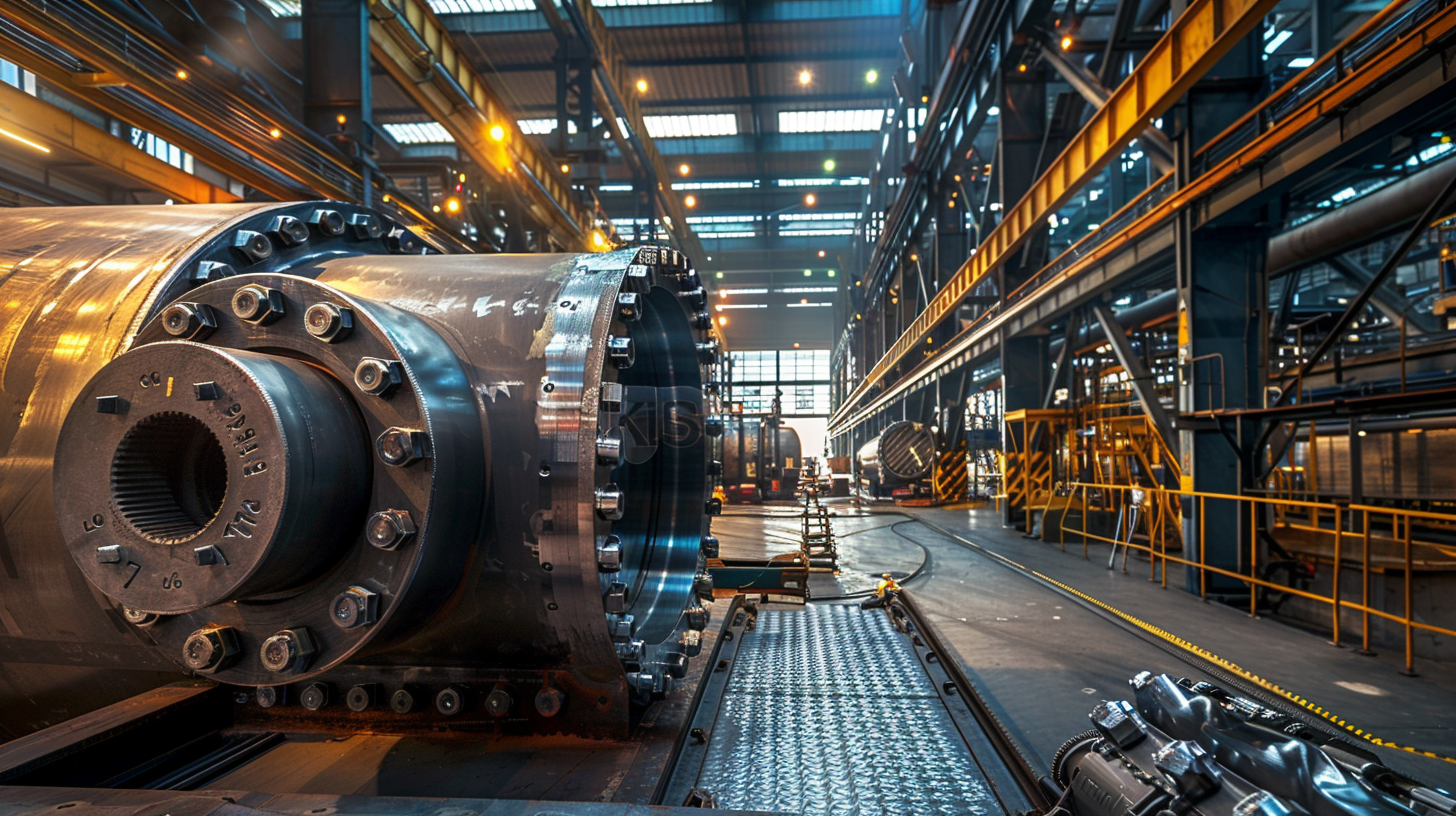
Third-party inspection services are independent inspections that are conducted by an external organization that is not directly involved the transaction of buyer and seller. The purpose of these services is to provide an unbiased evaluation of product quality, project compliance, safety standards and contract requirements. The third-party inspection services are expected to ensure neutrality and credibility which is a necessity in international projects and high-volume contracts. In terms of metal fabrication, these inspection services include checking of raw materials, verifying welding quality, assessing dimensional accuracy, reviewing surface treatment processes and confirming that completed products are meeting their required specifications. The inspectors tend to use a material verification program to track materials from start to finish and ensure that every component of the final product is traceable back to its certified mil test report.
Importance of Third-Party Inspection Services
Below stated are some of the factors that make third-party inspection services a necessity and advantageous:
- Assurance of Quality and Safety: The most fundamental reason for fabrication companies to engage third-party inspectors is to ensure the quality and safety of the product. Third-party inspection offers an extra layer of protection as the inspectors check each step of the process, look for hazards and make sure that the company follows safety rules and regulatory requirements. Good inspections also catch problems early before they become expensive. Early detection of defects helps in preventing costly failures, delays and reworks.
- Compliance and Regulatory Requirements: Third-party inspection is mandatory in various industries to maintain the industry standard and regulatory framework. Various sectors like oil and gas, power generation, nuclear or pressure equipment sectors have to comply with standards such as ASME, API, AWS and ISO. Clients also prefer certified fabricators as compliance certification gives them confidence in the product’s reliability. Working with certified inspectors helps in ensuring the quality of the products, especially in applications where safety is an obligation.
- Client’s Confidence and Commercial Advantage: Third-party inspection also serves as a powerful commercial function. Independent inspection reports create trust among stakeholders, clients and regulatory authorities. If the fabrication company provides a full set of third-party documentation including material certificates, weld inspection records, dimensional reports and final inspection certificates, it removes doubts from buyer’s mind and speeds up the signing of the deals.
The Process of Inspection
A structured inspection process offers consistency and reliability across every project. Below stated are the 3 main stages of the whole inspection process:
- Pre-Production Inspection: This stage involves checking raw materials before the fabrication begins. Inspectors are expected to review mill test certificates and certified material test reports to confirm the use of material with correct grades and the chemical and mechanical properties are according to the specification. This helps in preventing costly mistakes in fabrication by avoiding the foundation buildup from the wrong material.
- During Production Inspection: This stage involves visits of certified inspectors to the fabrication facility at a defined hold point while the production process is going on. They are expected to check welding procedures, welder qualifications, dimensional progress, surface preparations and material traceability. The companies can get immediate feedback in this stage if non-conformities are found. This allows the company to make corrections without disrupting the overall project schedule.
- Pre-Shipment Inspection: This is the final stage of verification before the product leaves the shop. Inspectors are expected to confirm that the finished product matches the approved drawings, all the necessary testing is completed and documented and the packaging and marking is up to the contract requirements. The products should be released for the shipment after final verification only.
Role of Technical Consultancy in Third-Party Inspection
Apart from inspection, fabrication companies are also opting for technical consultancy for better-quality management. This technical consultancy covers welding procedure development and qualification, welder qualification management, quality management of system development and auditing, code compliance advisory, failure analysis and corrective action support and pre-project risk assessments. Various small and mid-sized fabrication companies find it difficult to manage all this expertise in-house. Thus, they outsource it to technical consultants which allows the fabricators to access top-notch expertise on project-by-project basis without the cost of dedicated headcount. Independent verification provided by consultants and inspectors who have no direct stakes in the business strengthens the confidence in the assessments they provide. Their independence makes their findings defensible during disputes, insurance claims and regulatory reviews.
Choosing the Right Third-Party Inspector Partner
It is inevitable to choose the right inspection partner for the success of the projects. Some of the key factors to be considered while choosing them are accreditation and certifications like ISO which is considered the international standard of inspection; industry-specific experience in the relevant fabrication sector; the range of services offered such as NDT, material verification and certification; the ability to deploy inspectors to the facility locations; and a verifiable record with reference from comparable projects. It is important to select the inspector partner on the basis of the value they bring and not solely on the basis of their cost. A strong inspector partner can help the fabrication company in avoiding mistakes, delays and disputes that are more expensive than the inspection fee.
Take Away
This is a brief explanation about third-party inspection services, their importance, process, role of technical consultancy and how to choose them correctly. We hope this information will be effective for you. Please let us know through your valuable feedback and the suggestion in the drop box.