Ask any shop foreman what actually stops production on a welding line, and you’ll rarely hear “the welder broke.” More often it’s something smaller and cheaper — a cracked cable jacket, a leaking torch fitting, a pair of gloves that finally gave out. These are the parts nobody budgets for until they fail, and by then you’re either paying for a repair, you could have prevented or filling out an incident report you never wanted to write.
Welding cables, torches, and safety accessories don’t get the attention that the welding machine does, but they’re the components most likely to cause a shutdown or send someone to urgent care. This guide walks through what actually matters when you’re buying them — what determines cable size, what wears out on a torch, and which safety gear is worth the money — so you can stop treating these as afterthoughts and start treating them as insurance against downtime and injury.
Why Welding Cables Deserve More Attention Than They Get
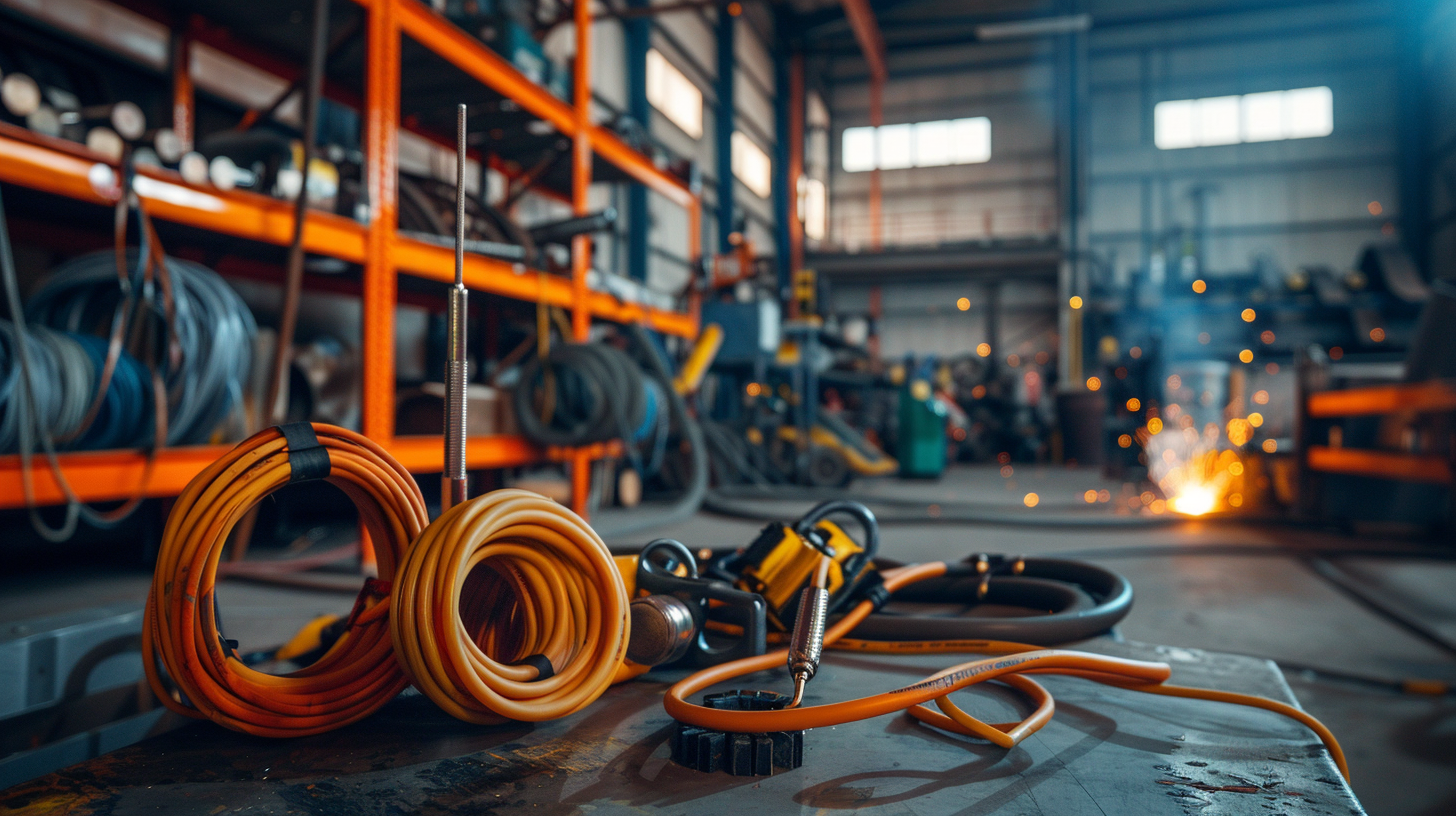
Welding cables carry the full output current of your machine, sometimes hundreds of amps, over and over, shift after shift. Undersized or damaged cable doesn’t just underperform — it overheats, drops voltage, and in the worst cases becomes a shock hazard. Yet cable selection is often an afterthought, grabbed off the shelf based on whatever’s closest rather than what the job actually requires.
Getting the Size Right: Amperage, Length, and Duty Cycle
Choosing the correct welding cable size comes down to three variables working together: your welder’s output amperage, the total circuit length (welding lead plus ground lead, added together), and your duty cycle — the percentage of a 10-minute window the machine is actually welding, according to sizing guidance from IEWC and other industrial cable suppliers.
A higher duty cycle means more sustained current, which means you need a thicker cable to keep heat buildup under control. As a rough industry reference point, at a 60% duty cycle, 4 AWG cable is rated around 95 amps, 2/0 AWG around 195 amps, and 4/0 AWG up to roughly 260 amps; at 100% duty cycle those same gauges drop to about 70, 145, and 195 amps respectively. Cable length matters just as much — a run that works fine at 25 feet may cause unacceptable voltage drop at 100 feet, which shows up on the job as inconsistent arcs, poor penetration, and wasted consumables.
The practical takeaway: don’t just match cable to your machine’s max output. Match it to your actual duty cycle and the real distance between your power source and your workpiece. Undersizing is the single most common welding cable mistake, and it’s the one most likely to turn into a warranty claim or a fire risk down the line.
Spotting Cable Damage Before It Costs You
Welding cable doesn’t fail all at once. It fails gradually — a nick in the jacket from a dropped tool, insulation that’s cracked from being dragged across a hot workpiece, a connector that’s been crimped one too many times. None of that is cosmetic. It’s the early warning sign of a cable that’s about to cost you a shift.
OSHA’s arc welding and cutting standard (29 CFR 1910.254) is direct about this: cables with damaged insulation or exposed conductors must be replaced, and cable in need of repair should not be used. The standard also specifically prohibits splices within 10 feet of the electrode holder — that stretch of cable takes the most abuse and needs to stay in one continuous, undamaged piece. It’s worth noting that even voltages as low as 50 volts can be enough to cause a serious shock, which is exactly why OSHA treats a cracked jacket as a real hazard rather than a minor cosmetic issue.
A simple weekly walk-down — checking jackets for cracks, connectors for corrosion, and lugs for looseness — catches most of this before it becomes an unplanned outage. It’s a five-minute habit that’s considerably cheaper than an emergency cable swap mid-shift.
Torches: The Other Half of the Downtime Equation
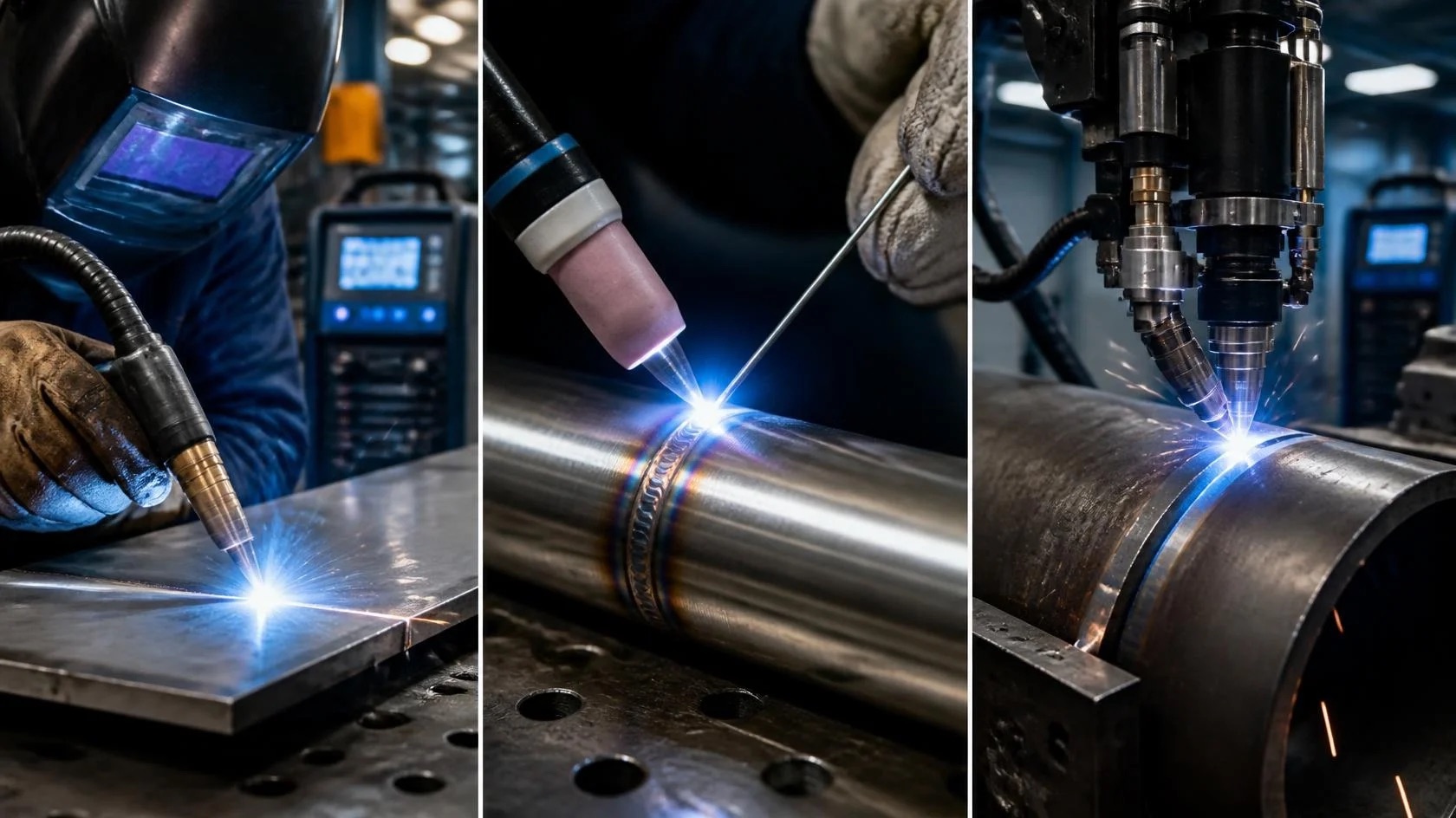
If cables are the circulatory system, the torch is where all that current and gas actually does the work — and it’s also where consumables wear out fastest. Contact tips, nozzles, diffusers, and liners take direct heat and spatter every single shift. A worn contact tip alone can throw off arc stability and wire feed, and most welders keep running on one long after it should’ve been swapped, because the failure is gradual rather than sudden.
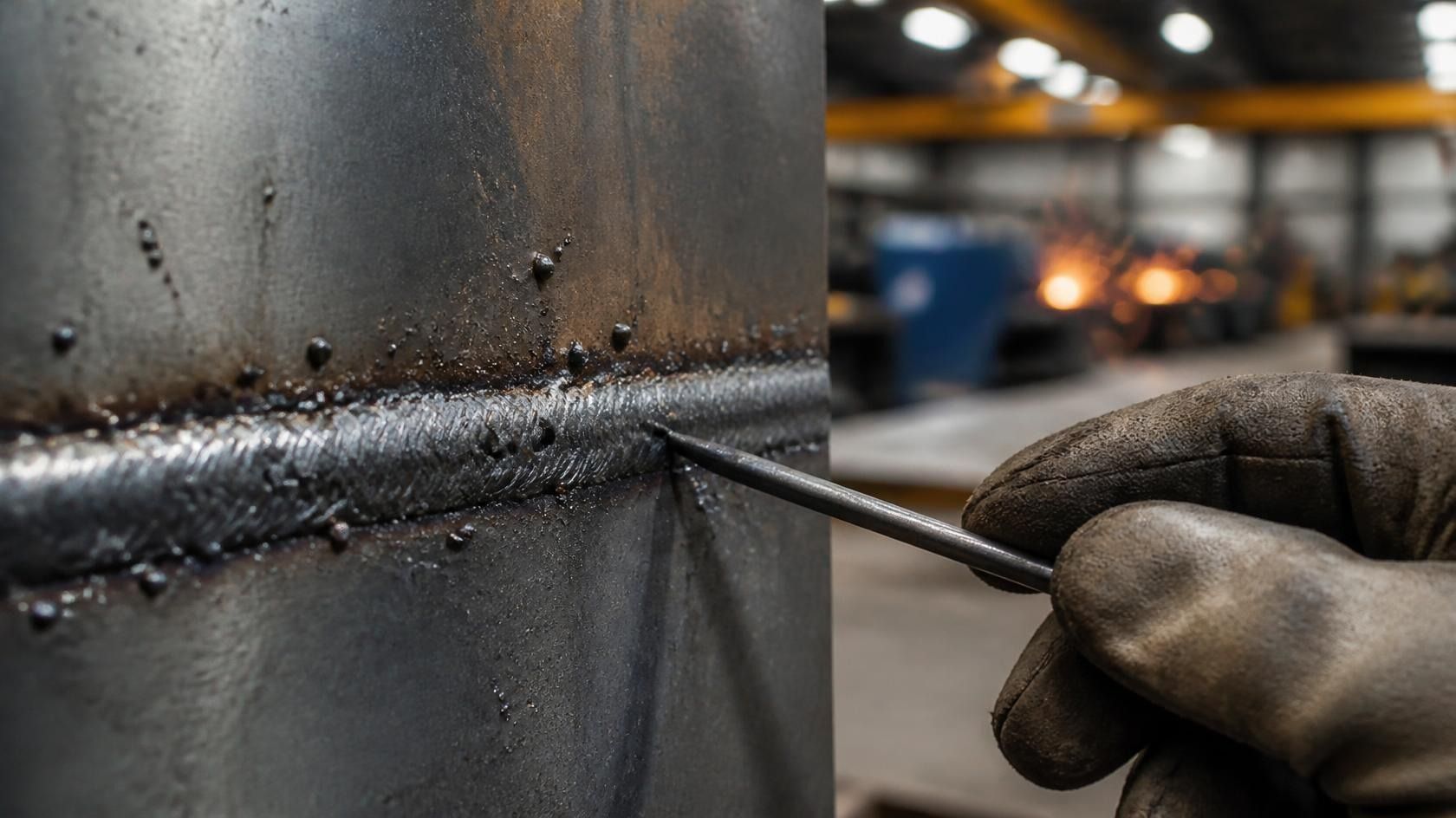
Preventive maintenance research on welding operations backs this up: most equipment failures aren’t random accidents but the predictable result of skipped inspections and wear that goes unnoticed for too long — debris clogging cooling passages, connections loosening, and machines running hotter than they’re designed to, all developing quietly until something finally gives out. The fix isn’t complicated. It’s a maintenance schedule that actually gets followed, and consumables that get replaced on a cycle rather than only after they’ve already caused a bad weld.
When buying torches, prioritize consistent gas flow, secure cable connections at the torch body (a loose connection here behaves exactly like a damaged welding cable — heat, voltage drop, and eventually failure), and a duty cycle rating that matches your actual amperage, not just your machine’s nameplate maximum.
Safety Accessories That Actually Prevent Injury
Welding remains one of the more injury-prone trades, and the numbers back that up. The Bureau of Labor Statistics data cited by legal and safety publications puts welding-related injuries at roughly 1,000 per 100 million work hours — about 100 times higher than the average injury rate across other occupations, with burns as the single most common injury type, from sparks, radiant heat, and arc flash alike. Separately, “welder’s flash” — eye burns from ultraviolet arc radiation — accounts for nearly 6% of all reported eye injuries across construction trades.
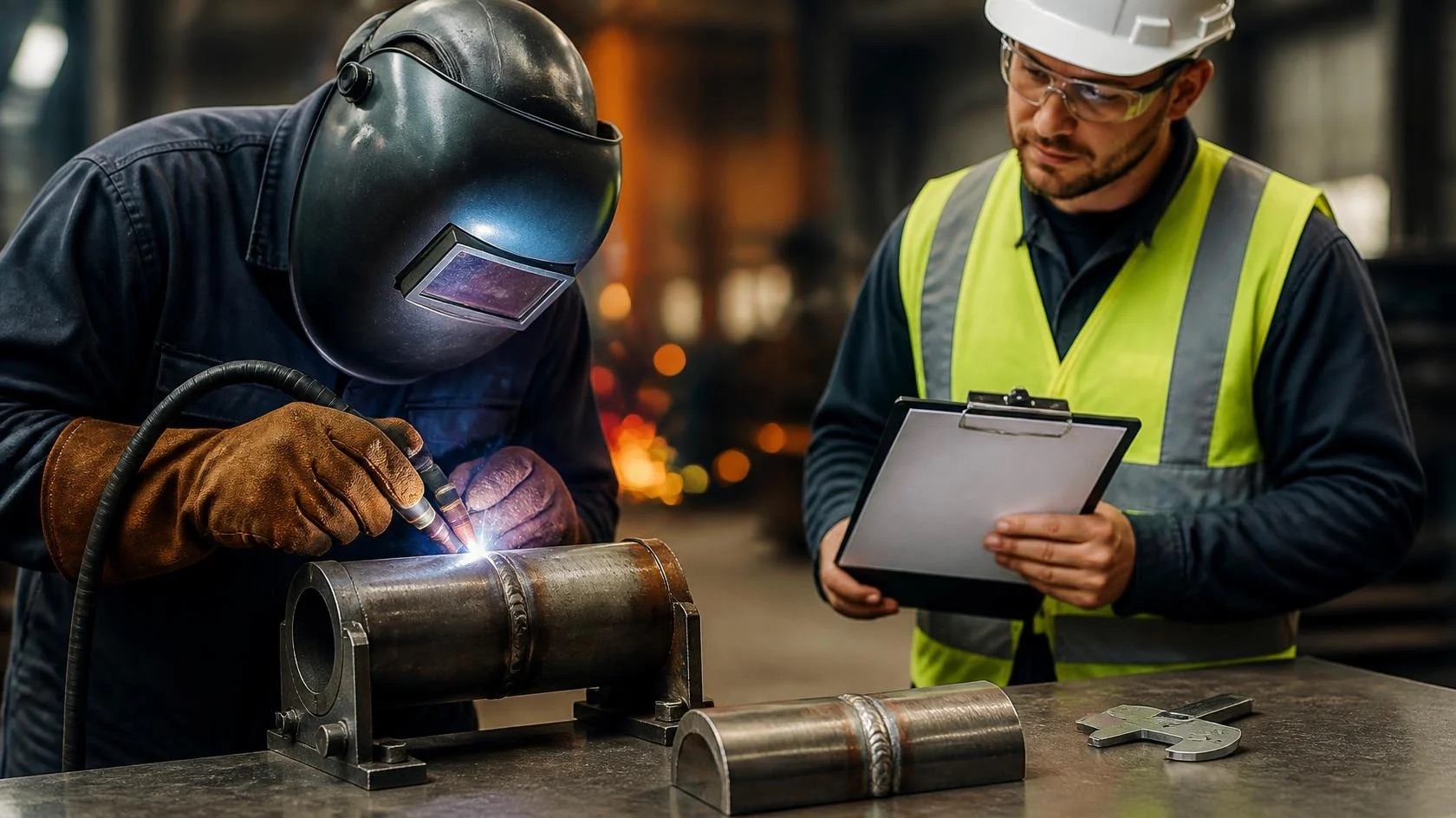
None of that is meant to be alarming for its own sake. It’s meant to make the case that safety accessories aren’t a compliance checkbox — they’re the layer that keeps a routine shift from turning into an ER visit. At minimum, that means:
- Auto-darkening helmets rated for your process, so your eyes are protected the instant an arc strikes, not a half-second after.
- Flame-resistant jackets and gloves rated for the amperage and process you’re running — MIG spatter and TIG heat call for different glove weights.
- Insulated cable covers or protectors anywhere a welding cable crosses a walkway or gets dragged across sharp edges.
- Proper ventilation or fume extraction, especially in confined spaces or when welding coated or galvanized metal.
- Leather boots and long pants with no cuffs, since molten spatter finds any gap in your coverage.
A Real-World Example: When Maintenance Gets Skipped
You don’t need a dramatic case study to see what neglected equipment costs — the pattern shows up consistently in industrial maintenance research. A study on robotic welding operations in the automotive sector found that maintenance-related issues accounted for 79% of total equipment downtime over a three-year period, translating into well over R2 million in losses at that single facility. The failures weren’t dramatic or sudden. They were the accumulation of small, deferred fixes: worn electrodes, blocked cooling, loose connections — the same categories of neglect that show up in manual welding operations with cables and torches.
The lesson translates directly to any shop, large or small: downtime is rarely caused by catastrophic failure. It’s caused by dozens of small, ignored warning signs that compound.
Key Takeaways for Buyers
- Size welding cable to duty cycle and run length, not just to your machine’s max amperage — undersizing is the most common and most preventable mistake.
- Replace, don’t repair, damaged cable — OSHA is explicit that insulation damage and splices near the electrode holder are non-negotiable safety issues.
- Treat torch consumables as scheduled replacements, not emergency purchases made after a weld already went bad.
- Inspect weekly, not just when something already feels wrong — most failures announce themselves quietly before they announce themselves loudly.
- Buy PPE rated for your actual process and amperage, not the cheapest option that technically meets a minimum standard.
The Bottom Line
Welding cables, torches, and safety gear are easy to underspend on because they rarely fail in dramatic, headline-grabbing ways. They fail quietly — a little more heat each shift, a little more wear on a jacket, a little more voltage drop — until one day the line stops or someone gets hurt. Buying the right welding cable for your amperage and duty cycle, keeping torch consumables on a real replacement schedule, and outfitting your team with PPE that matches the actual job are three of the cheapest insurance policies in any weld shop.
If you’re due for an equipment audit, start there: walk your shop floor, check every cable jacket and torch connection, and replace what’s already telling you it’s tired. Your production schedule — and your crew — will thank you for it.