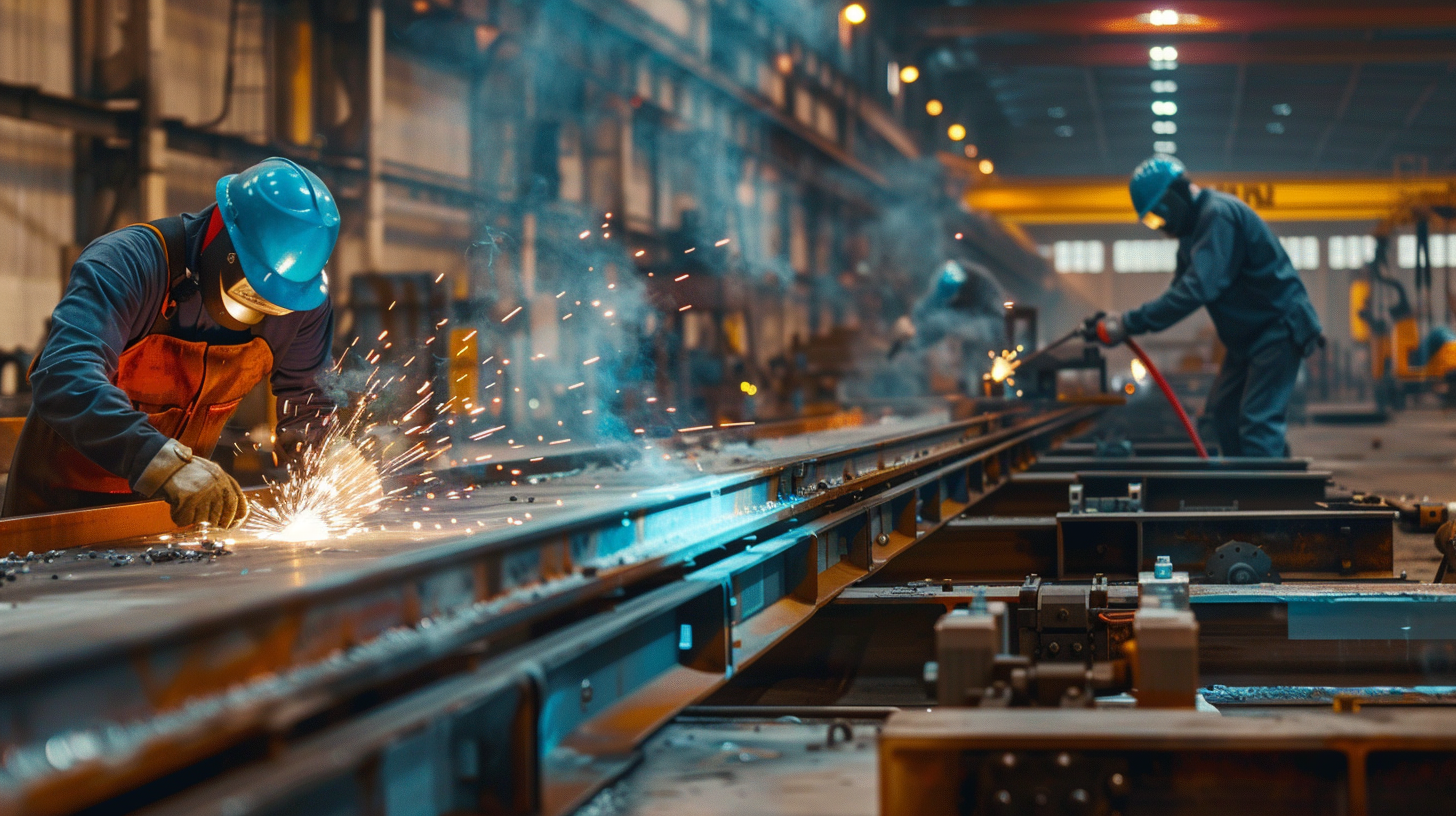
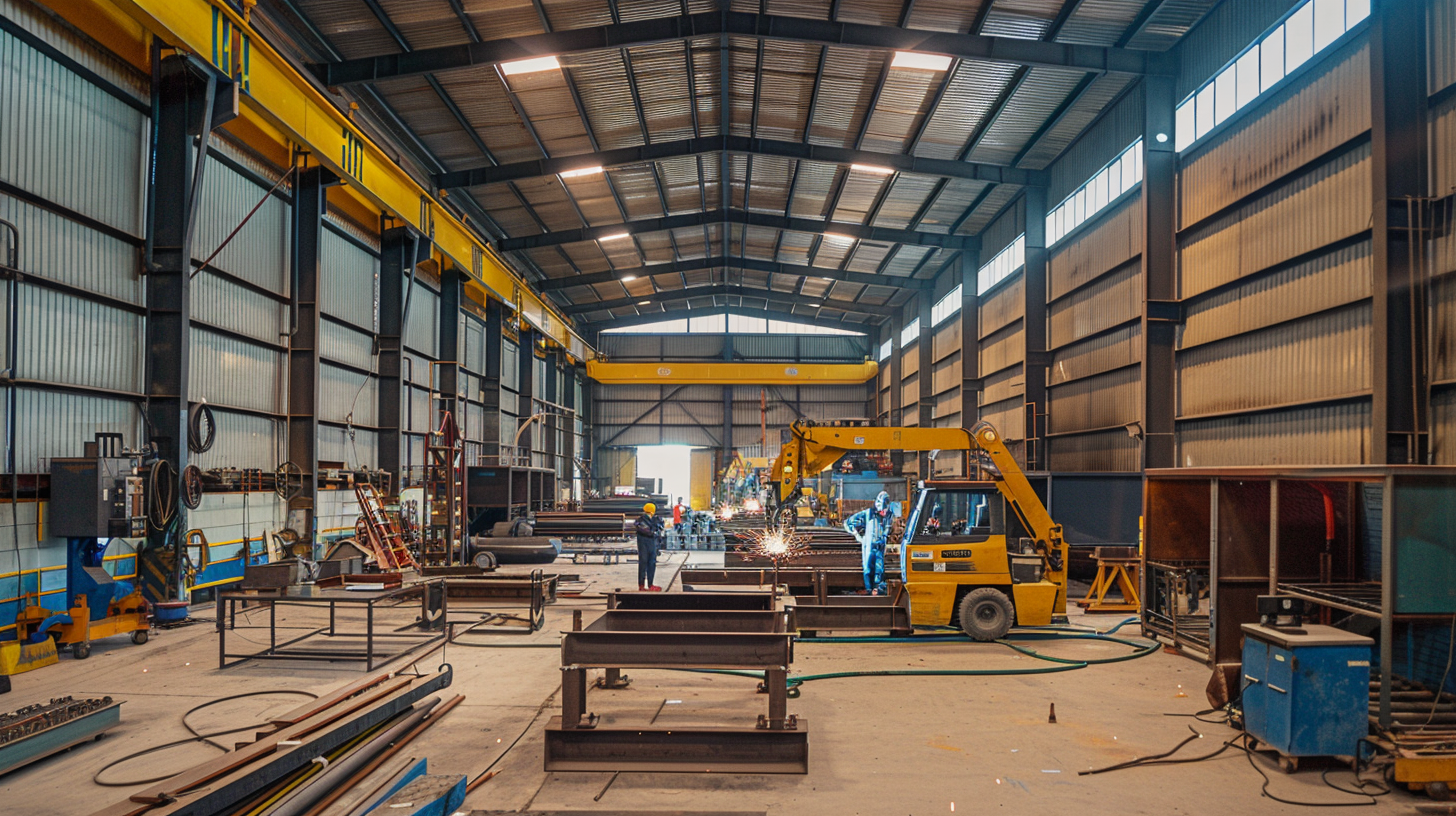
Setting up a welding and fabrication workshop involves more than the price tag on a welding machine. The total cost depends on workshop size, the level of automation you choose, and a set of recurring costs that are easy to underestimate at the planning stage. Here’s how to think through the budget in full.
What Determines the Cost of a Welding & Fabrication Workshop
- Workshop size and output target: the number of welding/cutting stations you need scales roughly with your planned throughput.
- Process mix: ARC and MIG machines are generally the lowest entry cost; TIG, SAW, orbital, and robotic systems cost progressively more but unlock higher-precision or higher-volume work.
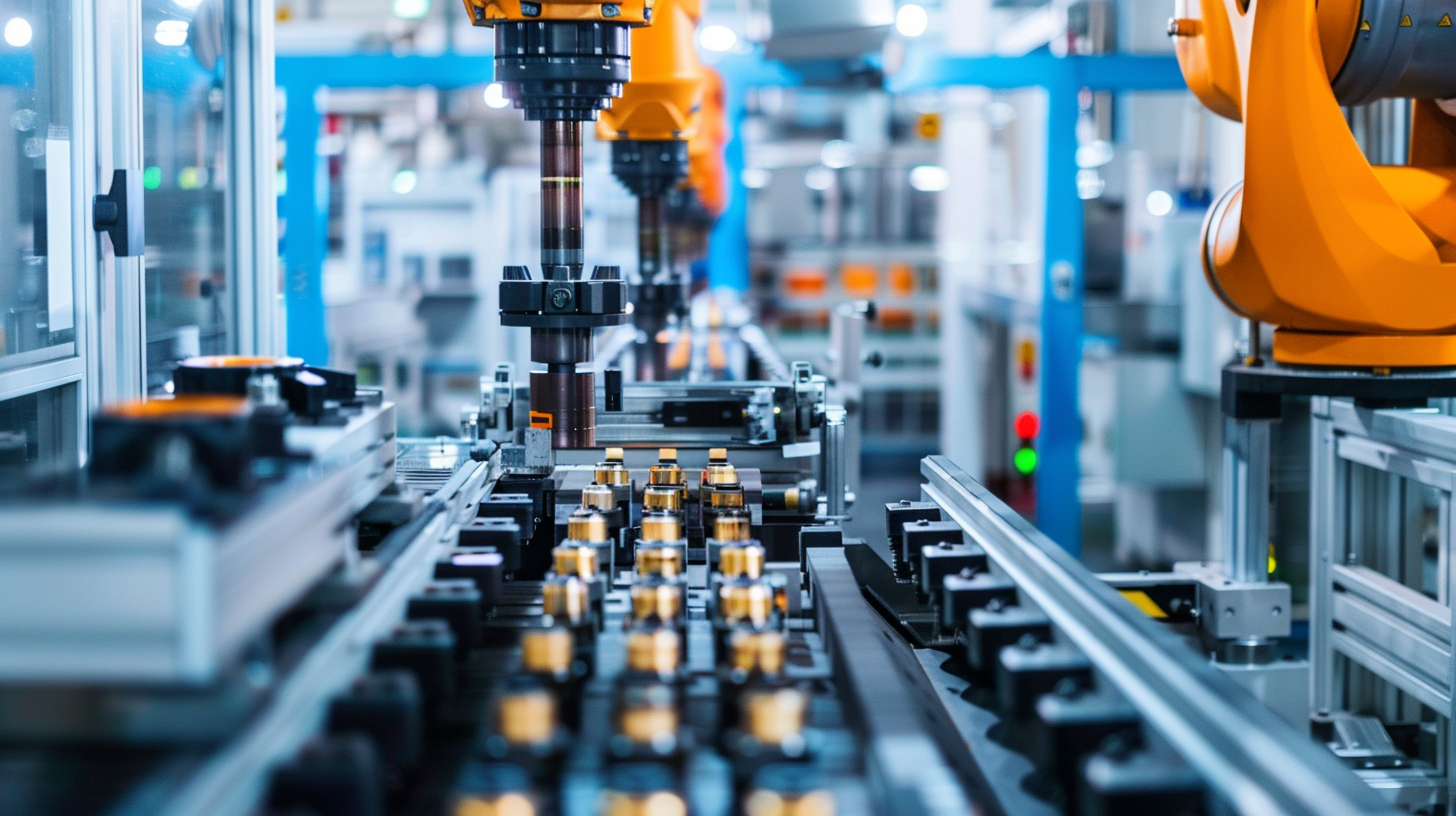
- Automation level: moving from hand/semi-automatic cutting to CNC, or from manual welding to robotic/SPM systems, is usually the single biggest driver of total investment.
- Support equipment: positioners, manipulators, electrode drying ovens, flux recovery units, and fume extraction systems all add to the base equipment cost but are often what separates a compliant, productive shop from one that struggles with rework and downtime.
- Brand and specification: duty cycle, power rating, and brand (for example, established brands like Panasonic or Aotai) affect price within any given equipment category.
Indicative Cost Breakdown by Workshop Size
| Workshop Type | Typical Setup | Indicative Equipment Investment* |
| Small job shop | 1–2 ARC/MIG welding machines, hand or semi-automatic cutting, basic safety accessories | Low lakhs (₹ range) for core machines and accessories |
| Mid-size fabrication unit | Multiple welding stations (ARC/MIG/TIG), CNC or semi-automatic cutting, a positioner or manipulator, fume extraction | Mid-range lakhs, scaling with number of stations and automation added |
| Heavy industrial / automated line | SAW or robotic welding cells, CNC cutting, orbital or pipeline welding, SPM, flux recovery, full fume extraction | Significantly higher investment, driven mainly by automation and robotic cells |
* Figures are directional only — get a specific quote for your exact machine list, brands, and site requirements.
One-Time Setup Costs vs Recurring Operating Costs
A common budgeting mistake is planning only for the equipment purchase price. A realistic budget separates:
- One-time costs: welding and cutting machines, positioners/manipulators, fume extraction installation, electrical infrastructure upgrades, workshop layout and welding tables, initial safety equipment.
- Recurring costs: consumables (electrodes, wire, flux, shielding gas), spare parts, electricity, preventive maintenance or AMC contracts, PPE replacement, and training/certification renewals.
Recurring costs are frequently underestimated, especially consumables and maintenance — over a machine’s working life, these can add up to a significant share of total cost of ownership, not just the upfront purchase.
Financing & Leasing Options
Not every shop needs to buy every machine outright on day one. Depending on your supplier and cash flow, options worth exploring include:
- Equipment loans or hire-purchase arrangements through banks or NBFCs
- Vendor financing or staggered payment terms offered directly by equipment suppliers
- Leasing higher-cost automation (such as robotic cells or SPMs) for specific projects rather than buying outright
- Phased procurement — starting with core welding/cutting equipment and adding automation once volume justifies it
Common Budgeting Mistakes First-Time Shop Owners Make
- Underestimating consumables spend: treating electrodes, wire, and gas as an afterthought instead of a recurring line item.
- Skipping fume extraction and safety equipment: to save on upfront cost, which usually creates compliance and rework problems later.
- No budget for maintenance: assuming machines will run trouble-free without a maintenance or AMC plan.
- Over- or under-buying automation: investing in CNC or robotic systems before volume justifies it, or staying fully manual well past the point where automation would pay for itself.
- Ignoring electrical infrastructure: not budgeting for power supply upgrades that higher-capacity welding and cutting equipment often requires.
Frequently Asked Questions
What is the cheapest way to start a welding and fabrication business?
Starting with one or two ARC or MIG welding machines and hand or semi-automatic cutting equipment is typically the lowest-cost entry point, with automation added later as volume grows.
Is it better to buy or lease welding equipment?
It depends on utilization: equipment you’ll run near-continuously is usually more cost-effective to buy, while higher-cost automation needed only for specific projects can make sense to lease.
What ongoing costs should I budget for after buying welding equipment?
Beyond the purchase price, budget for consumables (electrodes, wire, flux, gas), spare parts, electricity, preventive maintenance or an AMC contract, and periodic training or certification renewals.
Get a Real Quote for Your Workshop
Aavishkar Group supplies the full range of welding, cutting, automation, and safety equipment referenced in this guide, and our team can help you put together an itemized quote and phased procurement plan based on your workshop size and output targets.