CNC cutting is the most advanced form of metal cutting, almost all industries where continuous metal cutting is part of their manufacturing activity finds a scope of installation of this type of system. The CNC system can take direct drawing input to manipulate cutting head movements to cut the plates or shapes in the desired size as per drawing requirements. The entire process is completely automated with minimum manual intervention.
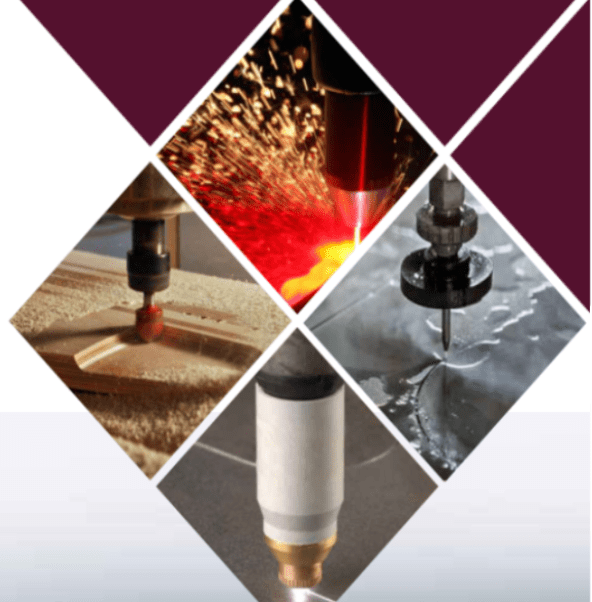
Frequently integrated cutting processes with this system are Flame, Air Plasma, High Definition Plasma, Laser & Water-Jet to name a few. The system can work with single or multiple cutting torches based on customer production cutting requirements.
We can provide a single-point solution to our customers right from the selection of appropriate system up to implementation and hand holding to the production team.
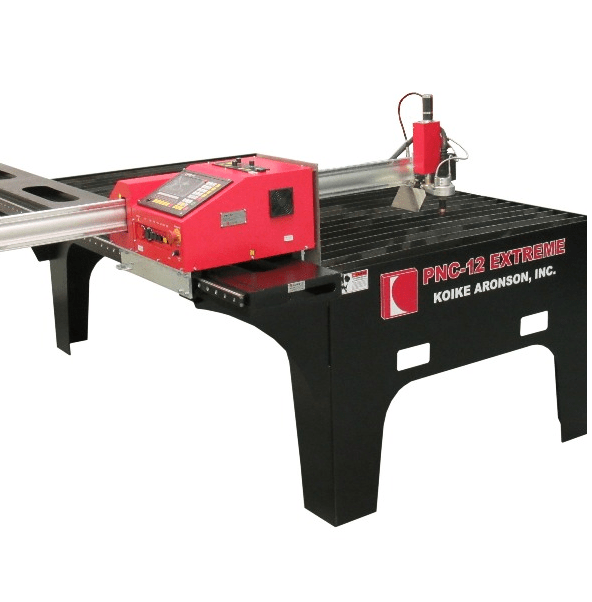
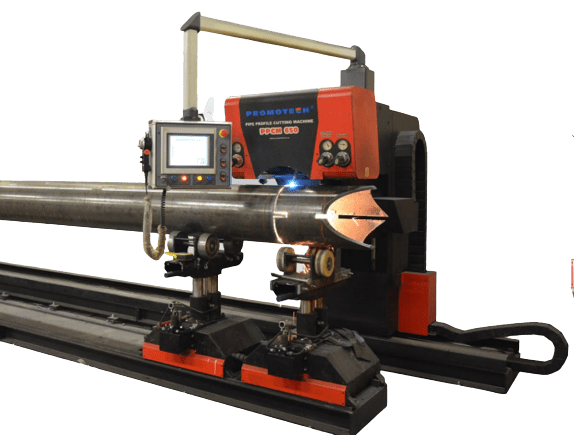
Our integration partners in this category are Promotech, Koike & ACT to name a few.
What exactly is Automatic CNC Cutting and how does it differ from other cutting methods?
Automatic CNC (Computer Numerical Control) Cutting refers to a fully programmed cutting process where digital designs drive the machine to cut metal plates or shapes precisely without constant manual input. Unlike handheld or semi-automatic systems, Automatic CNC Cutting consistently follows CAD/CAM files, ensuring every cut matches the design dimensions accurately. This automation enhances repeatability, reduces human errors, and enables complex geometries that are difficult to achieve with conventional cutting tools.
What types of cutting processes can be integrated with an Automatic CNC system?
Modern Automatic CNC Cutting systems are not limited to one technology – they can incorporate multiple cutting processes based on your production needs. Common integrations include flame cutting, air plasma, high-definition plasma, laser cutting, and water-jet cutting. Each process suits different material types and thicknesses, so the machine can be configured to match the specific application, whether for precision thin cuts or robust thick plate processing.
What are the major benefits of using an automated CNC cutting solution in industrial fabrication?
An automated CNC cutting solution offers several tangible advantages:
Precision and consistency: Every part is cut to the exact specification you define in the digital design.
Higher throughput: Continuous automated operation significantly improves production speed.
Lower dependency on skilled labor: Once programmed, the system runs with minimal supervision.
Reduced waste: Accurate cutting reduces material misuse and rework. These benefits make CNC cutting ideal for industries where quality, repeatability, and speed matter most.
What factors should I consider when selecting an Automatic CNC Cutting system?
Choosing the right CNC cutting system depends on several key factors:
Material type and thickness: Different cutting technologies handle specific materials better (e.g., plasma for thicker metal, laser for finer details).
Production volume: High-volume operations benefit from advanced automation features and faster cycles.
Accuracy requirements: Tighter tolerances require machines with higher rigidity and precise controls.
Integration needs: Consider how the system will fit into your existing workflow – automation peripherals like part loaders or nesting software can boost efficiency. Picking the right combination upfront ensures both performance and cost-effectiveness.
How is maintenance handled for Automatic CNC Cutting machines to ensure long-term performance?
Proper maintenance is a mix of routine checks and proactive care. Regular tasks include inspecting and cleaning cutting nozzles/torches, checking software calibration, keeping guide rails free of debris, and ensuring coolant and air systems are functioning correctly. Periodic software updates and calibration also help maintain precision over time. A well-maintained CNC cutting system will not only perform reliably but also extend machine life, reducing unplanned downtime.