Introduction
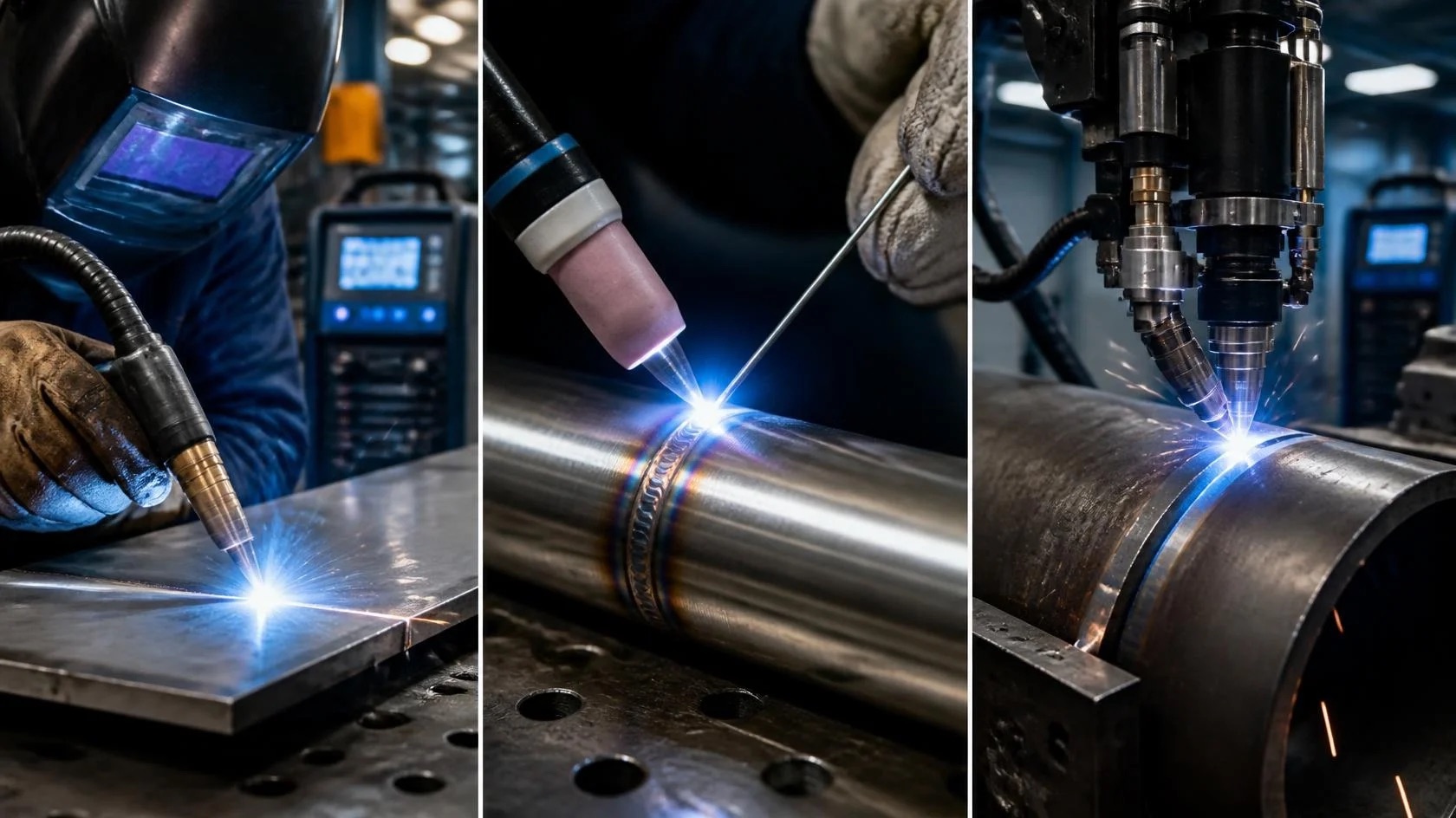
One of the major decisions fabrication shops need to take is whether to stick with manual welding or shift to and invest in robotic welding automation. This decision depends on various factors such as production volume, budget, part complexity and long-term business goals. The 3 key areas to be assessed while making this decision are cost, productivity and return on investment.
Robotic Welding- Definition
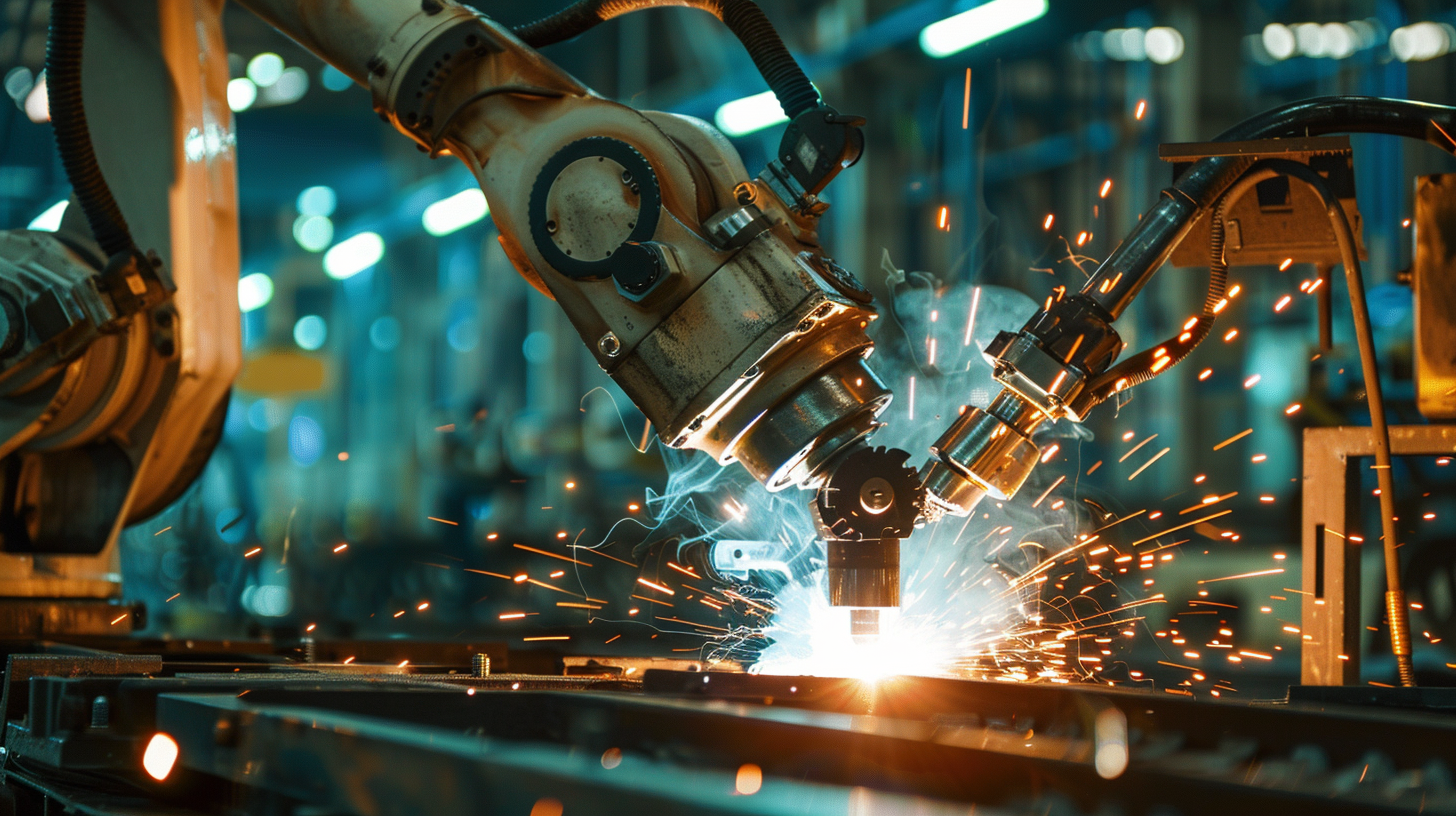
Robotic welding is a process that uses programmable machines to perform welding operations with consistent parameters. This process can execute identical welding sequences every time, unlike manual welding. The robots don’t depend on individual skill or vary weld quality with fatigue. They tend to offer consistency along with optimized part presentation and tested welding parameters.
Manual Welding- Definition
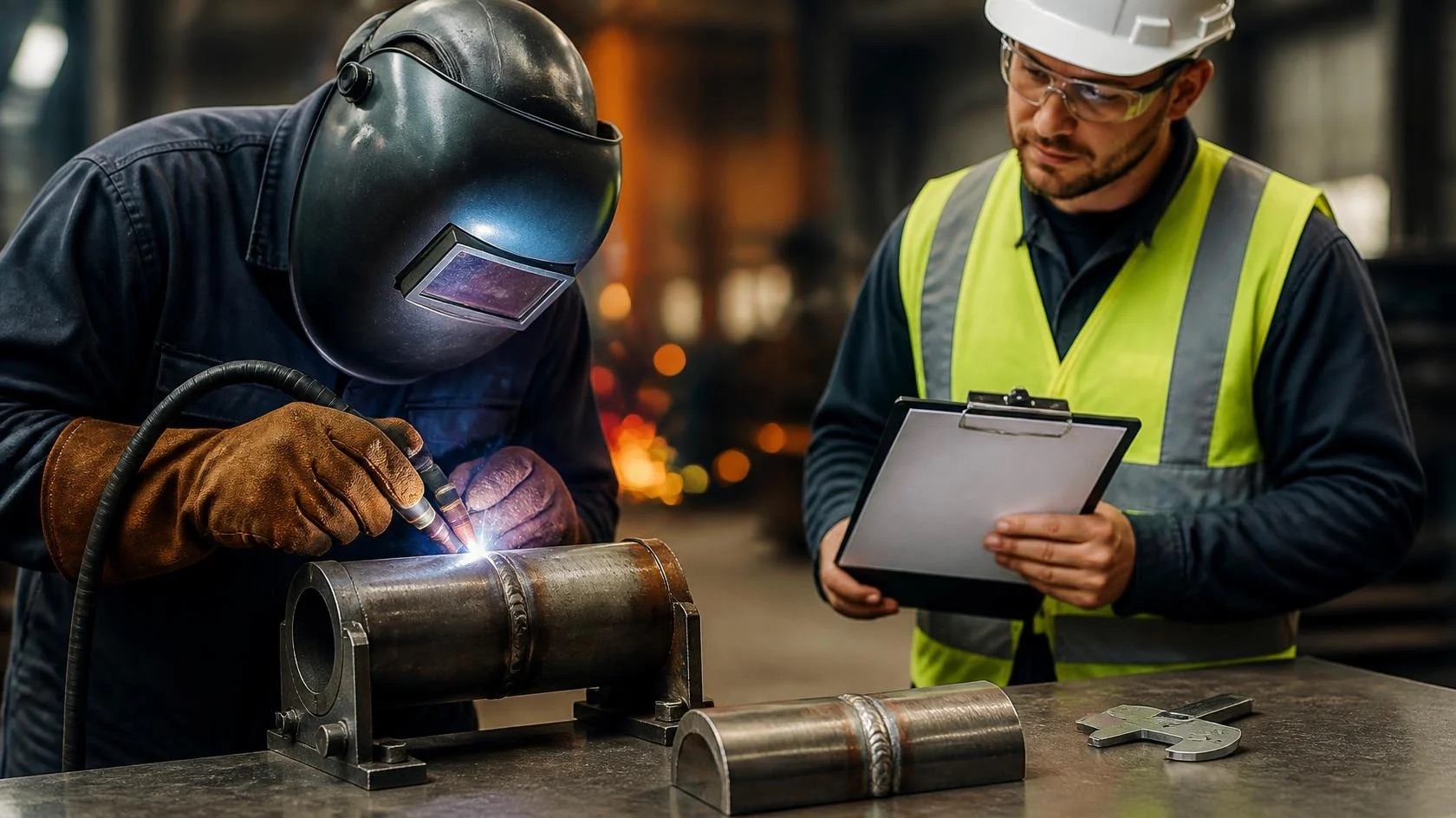
On the other hand, manual welding is a process relying entirely on skill, experience and physical endurance of a trained welder. It offers flexibility, and adaptability which is useful for complex, one-off and irregular jobs.
Productivity- Robotic Welding VS Manual Welding
Robotic welding is more advantageous in comparison to manual welding when it comes to productivity. The arc-on time is the time of burning and welding. This arc-on time of a manual welding is only 15-25% while the rest of the time is spent on breaks, setup and positioning. In contrast, the robotic welding system achieves an arc-on time of 60-80% which means that the torch is active and producing welds for a majority of time.
The condition is also same for travel speed. A manual welder can travel at 10-20 inches per minute (IPM) whereas the robot can travel anywhere from 10 to 100 IPM depending on the type and model of the robot. This means the robotic system can complete the same volume of work in less time along with added benefits such as running multiple shifts without fatigue, overtime costs and sick days. Manual welding tends to suffer over welding wire waste of up to 60% whereas robotic welding doesn’t produce visible wire waste. Shielding gas also supports robots more efficiently making it suitable for high-volume fabrication environments.
Weld Quality and Defect Rates
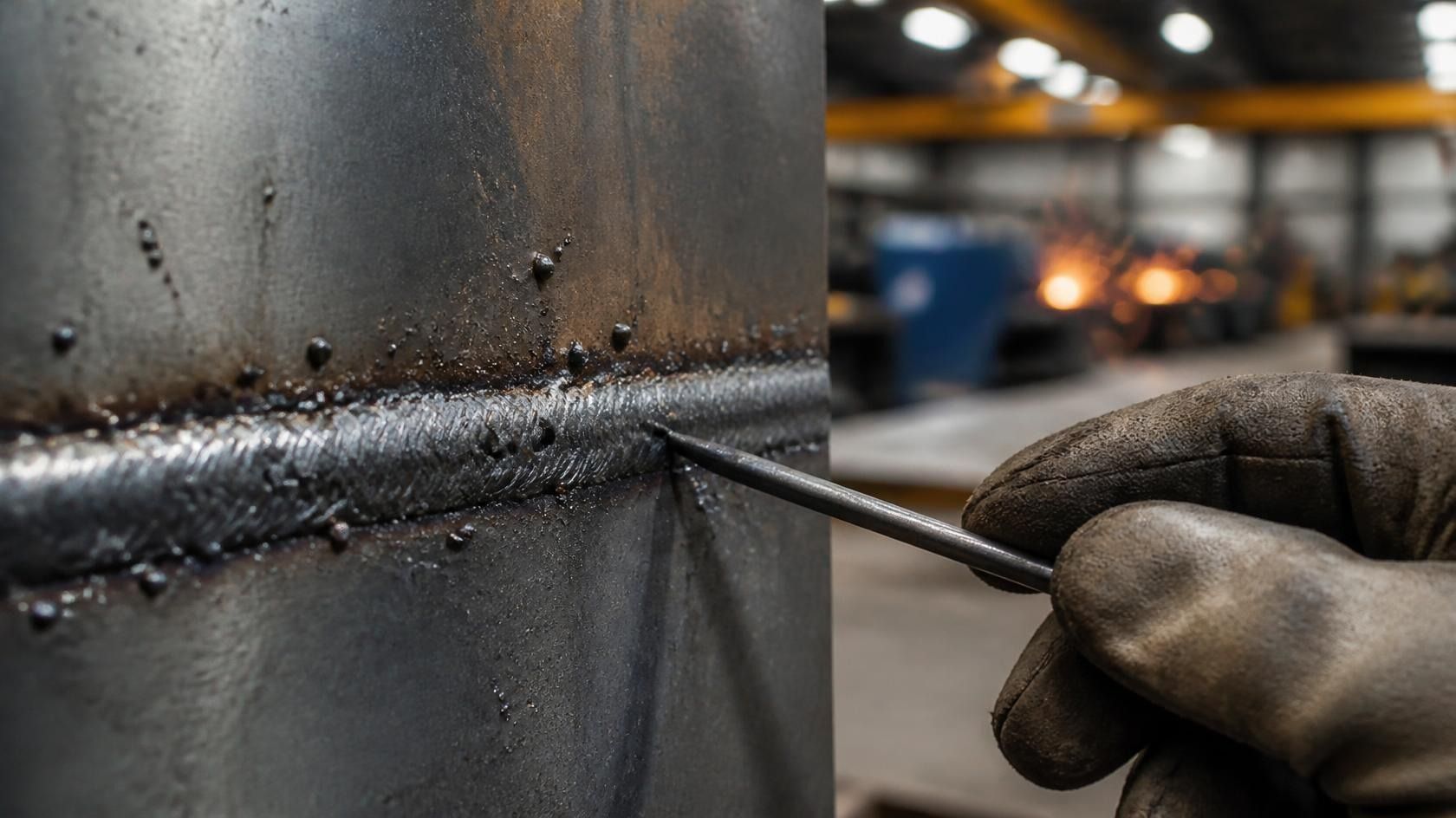
Fabrication is a sector where quality is non-negotiable. Robotic welding is known for delivering a measurable advantage in terms of consistency and defect reduction of the welds. The rework and defect rate of manual welding ranges from 5-10% depending on the skill and fatigue level of the welder whereas robotic welding brings fatigue down to just 0.5-3% depending on the setup. This results in less rework, less material waste and lower production costs. Though the repeatability of manual welding is relatively good, it drops with the volume due to fatigue and long shifts and decreases consistency of the welds. On other hand, robotic systems maintain excellent repeatability and consistency regardless of long shift and production volume.
On the other hand, manual welding also holds advantages in certain quality scenarios especially for jobs requiring real-time judgment, complex joint geometries and fabrication work where the robot’s pre-programmed parameters may not adapt quickly.
Cost Analysis: Upfront Investment VS Long-Term Savings
Even after having a lot of benefits, fabrication shops hesitate to switch towards robotic welding as they have a significantly upfront investment compared to hiring a manual welder. The cost of manual welder ranges from $65,000 to $100,000 per year and overtime pay can be added 50% or more to the hourly wage. On other hand, the price range of robotic welding depends upon its complexity and requires an investment between $95,000 and $300,000. However, manual welding comes with ongoing reliability issues such as turnover, injuries, burn outs and sick leave whereas robotic systems require only planned maintenance with infrequent and unexpected failures. Insurance and workers’ compensation is also higher in manual welding due to greater risk of arc flash, fume exposure and stress injuries. Thus, in current times, many fabrication shops are opting for robotic systems by investing for 2-3 years and enjoy the long-term benefits.
Why Manual Welding is Still a Better Choice?
Despite having more benefits, robotic welding cannot be considered a solution to every problem. Manual welding is considered ideal for smaller batches especially fewer than 10 parts, where setting up the programming and robot can be more time-taking and affects the efficiency of the welding. Manual welding is also used for highly complex, irregular and one-off fabrication jobs that require real-time human judgement and adaptability. It is also useful for shops that are just starting out and do not have the production volume to invest in robotic welding yet. Though, training a human welder takes more time than training a robot, one can invest in labor training if the production volume is low.
How to Choose Between Robotic Welding and Manual Welding
It is important to consider certain factors while choosing between robotic welding and manual welding.
- Choosing Robotic Welding: It is advisable to choose robotic welding if one has high production values, repetitive part types, consistent joint geometries and inconsistency or shortage of labor supply.
- Choosing Manual Welding: It would be ideal to choose manual welding if one has to handle low-volume, high-mix jobs with complex or irregular geometries and if one’s current production scale can’t invest in automation.
Take Away
This is the brief explanation about robotic welding, manual welding, their difference and factors to be considered while choosing between them. We hope this information will be effective for you. Please let us know through your valuable feedback and the suggestion in the drop box.