Introduction
Welding electrode drying ovens are specialized appliances designed to remove the moisture from welding electrodes. This is because moisture tends to affect the electrode performance adversely and leads to poor quality of welds. These ovens are used to maintain the electrodes at a precisely controlled temperature and keep them completely dry so that they are ready to be used anytime. Various types of rod ovens are available in the market depending on the workflow and shop needs. For example, portable rod ovens are easy to carry at the job site, bench or shop ovens are used in fabrication shops and stationery or industrial ovens are used in high-capacity units for storing large quantities of electrodes in high volume applications.
These ovens are designed to reach and maintain specific temperature ranges that are required for drying electrodes. Their usual range is from 50 to 300 °C. Précised temperature control is important to prevent overheating or under-drying of electrodes and the oven is insulated to minimize heat loss and ensure energy efficiency during the drying process.
Why Moisture in Electrodes is Considered a Serious Problem
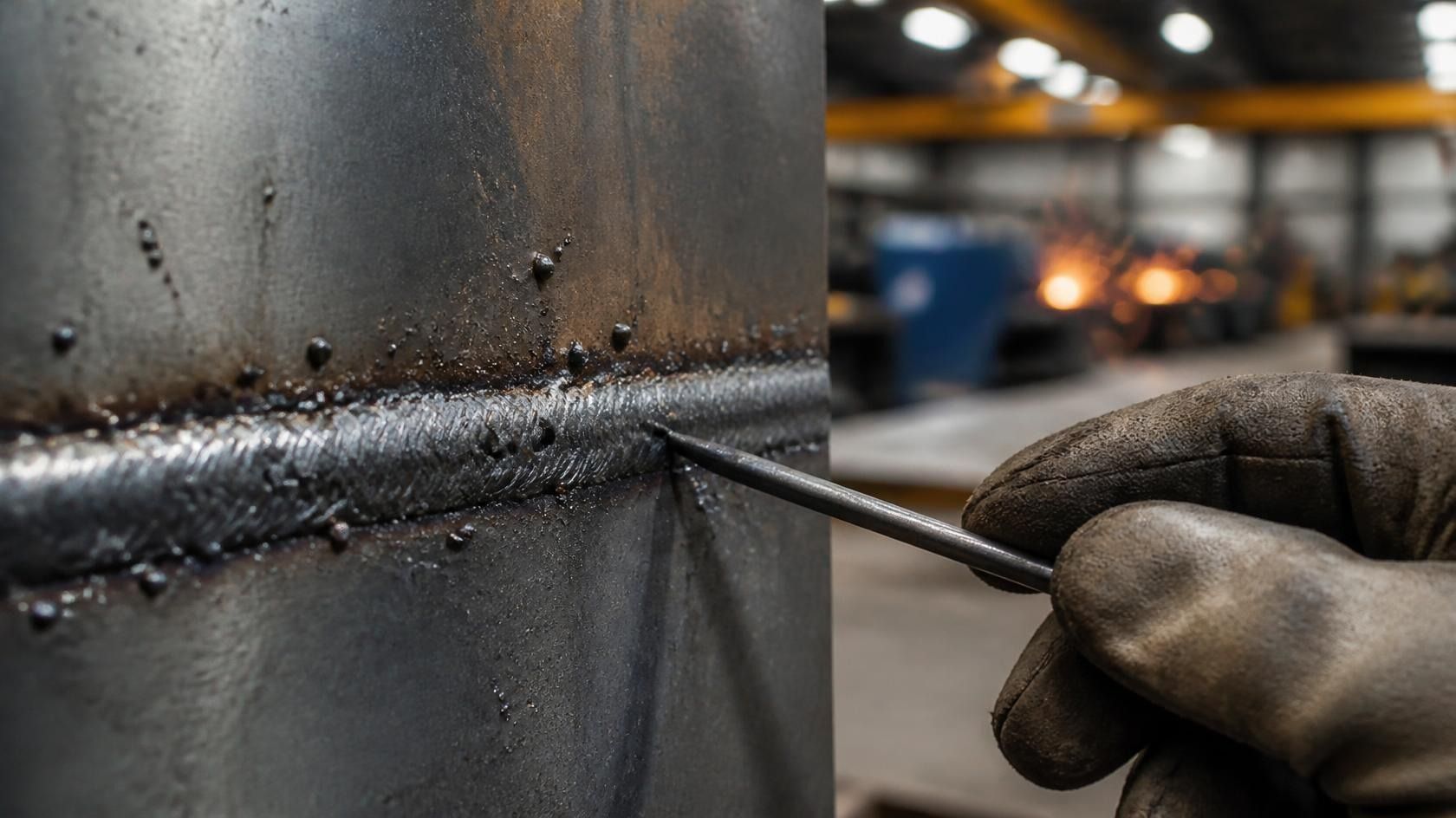
Electrode drying is also known as electrode baking and electrode reconditioning. It is the controlled application of heat to welding electrodes prior to the use and for the purpose of driving off absorbed moisture from the flux coating. Moist electrodes can release hydrogen in to the weld that can cause cracking and compromising structural integrity. On the other hand, dry electrodes tend to produce clean and consistent welds with lesser defects. Apart from cracking, moisture contaminated electrodes also cause porosity, excessive spatter and unstable behavior. Thus, drying electrodes are considered more ideal as they improve the weld quality and reduce rework in simplest ways and according to the industrial welding standards.
Three-Stage Electrode Temperature Management System
A proper electrode management is more than just owning a drying oven. A complete electrode baking and storage system consists of 3 distinct temperature stages i.e., initial reconditioning or baking, holding oven storage and field quiver storage. Each stage requires a different level of temperature and time limits. If one fails to maintain this required temperature range or time limit at one stage, it can compromise the protection provided by others. For example, electrodes should be dried in an oven between 250–300°C for 2 hours. Then it should be held at the minimum temperature of 150°C until issue. After the issue, electrodes must be kept in a portable oven 65°C or higher until use. Also, each electrode should undergo 3 baking cycles at the max as excessive baking can result into negative performance of the electrodes and damage their quality.
Industries Using Electrode Drying Ovens
Below stated are some of the industries that use electrode drying ovens for their applications:
- Oil and Gas: In the oil and gas industry, portable electrode drying ovens are used in the preparation of electrodes to be used in pipeline welding and remote or harsh environments to prevent moisture-related defects and ensure reliability and safety of pipelines.
- Shipbuilding: The shipbuilding industry uses portable electrodes drying ovens to maintain the quality of electrodes during processes like vessel fabrication. They provide a controlled storage which helps in reducing the risk of weld failures which is really crucial for safety and operational reliability.
- Power Generation, Construction, etc.: Various equipment such as boilers, turbines, pressure vessels and structural steel frameworks require high-quality welds. If the electrodes are moisture-contaminated, it can lead to defects, compromised weld strength and failure to meet the industry standards. Thus, drying ovens are a standard requirement in all these sectors.
Steps to Maintain Electrode Drying Ovens
Below stated are some of the key steps to maintain electrode drying ovens to obtain desired performance:
- Blower Motor Maintenance: The blower motor is one of the most important components of the ovens and requires proper lubrication. It can become unstable if any foreign material or loose insulation gets caught in the blower. Thus, vent openings should be kept clean using an air jet or vacuuming as it can reduce the risk of the oven stopping permanently.
- Inspection of Heating Elements Regularly: Burnt out or faulty heating elements can damage the performance. Tubular elements are easily visible by pulling the heater and should be cleaned regularly if found dirty and it should be ensured that they are not detached nor touching other components of the ovens. Oxidation and arcing can result into terminal burnout caused by those loose connections.
- Temperature Calibration: Calibrating the drying ovens include comping the actual temperature inside the oven to the set temperature using a calibrated thermometer or thermocouple. It is also advised to calibrate the oven by a qualified technician at least once a year to ensure desired and reliable results.
- Keep a Maintenance Log: Maintaining detailed records of all maintenance activities is important for troubleshooting and ensuring compliance standards with industry standards. This maintenance log should be well structured and must include regular inspections, cleaning, lubrication and calibration along with designated and trained personnel responsible for each and every task.
Take Away
This is the brief explanation about electrode drying ovens, why moisture is a serious problem, steps to manage electrode systems, industries using them and steps to maintain these electrode drying ovens. Please let us know through your valuable feedback and the suggestion in the drop box.