Introduction
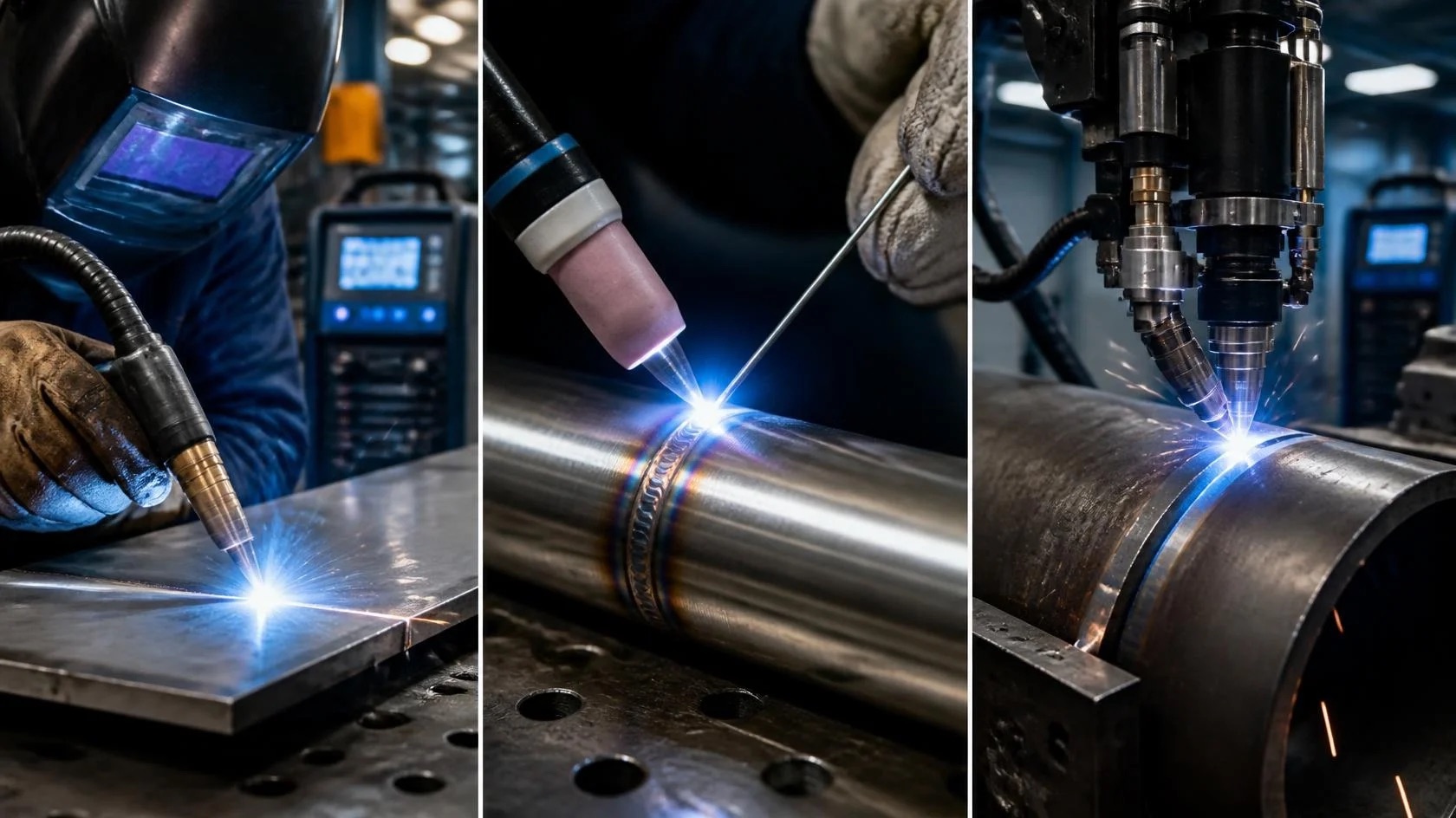
The manufacturing and fabrication sectors are shifting from traditional manual processes and paper-based quality records to automation. Metal fabrication automation refers to the use of technology including CNC machines, robotic welding systems and smart sensors. These tools are used to perform repetitive, dangerous or high-precision tasks with minimal human intervention.
At the center of this transformation, Industry 4.0 is a framework that connects physical machines, digital systems and data analytics in one intelligent manufacturing ecosystem. Welding 4.0 refers to the integration of advanced digital technologies of the welding operations to make them smarter, safer and significantly more productive. This welding system is a part of Industry 4.0 and blends with the concept of intelligent hardware, AI-powered software and real-time data analytics. It is used to deliver unprecedented visibility, control and optimization across the welding process and transforms the manual process into intelligent, interconnected and adaptive systems.
Key Technologies Powering Welding 4.0
Below stated are some of the key technologies that power welding 4.0:
- IoT and Smart Sensors: Modern welding tools are equipped with sensors that can track critical parameters such as voltage, current, arc stability, gas flow and temperatures in real time. These IoT enabled machines are used to transmit data to centralized dashboards, allow remote monitoring and offer instant feedback. These smart welding systems form a backbone of Industry 4.0 operations, connect effectively with digital factory networks and standard data formats. They also act as a key player in smart manufacturing setups and constantly communicate with ERP and MES systems. When everything stays connected, it becomes easy for operators to manage the welding settings, offer better control and faster control.
- Artificial Intelligence and Machine Learning: AI-powered algorithms tend to analyze wed data to detect anomalies, predict potential issues and suggest corrective actions before the occurrence of the problem. On the other hand, machine learning models continuously improve by learning from historical weld data and help the robotic welders to adapt different materials, joint types and production environments. Smart welding and cutting systems also use artificial intelligence to achieve the desired accuracy of thousands of different operations. The systems also tend to adjust on its own without stopping the production when faced with different metals or unexpected changes in the workpiece.
- Cloud-Based Monitoring and Data Analytics: Cloud platforms enable storage, analysis and real-time access to the welding data from multiple locations and support productivity across shifts and facilities, automated quality reporting and remote troubleshooting and diagnostics. These systems also generate valuable production data for processes such as optimization, quality tracking and predictive maintenance scheduling.
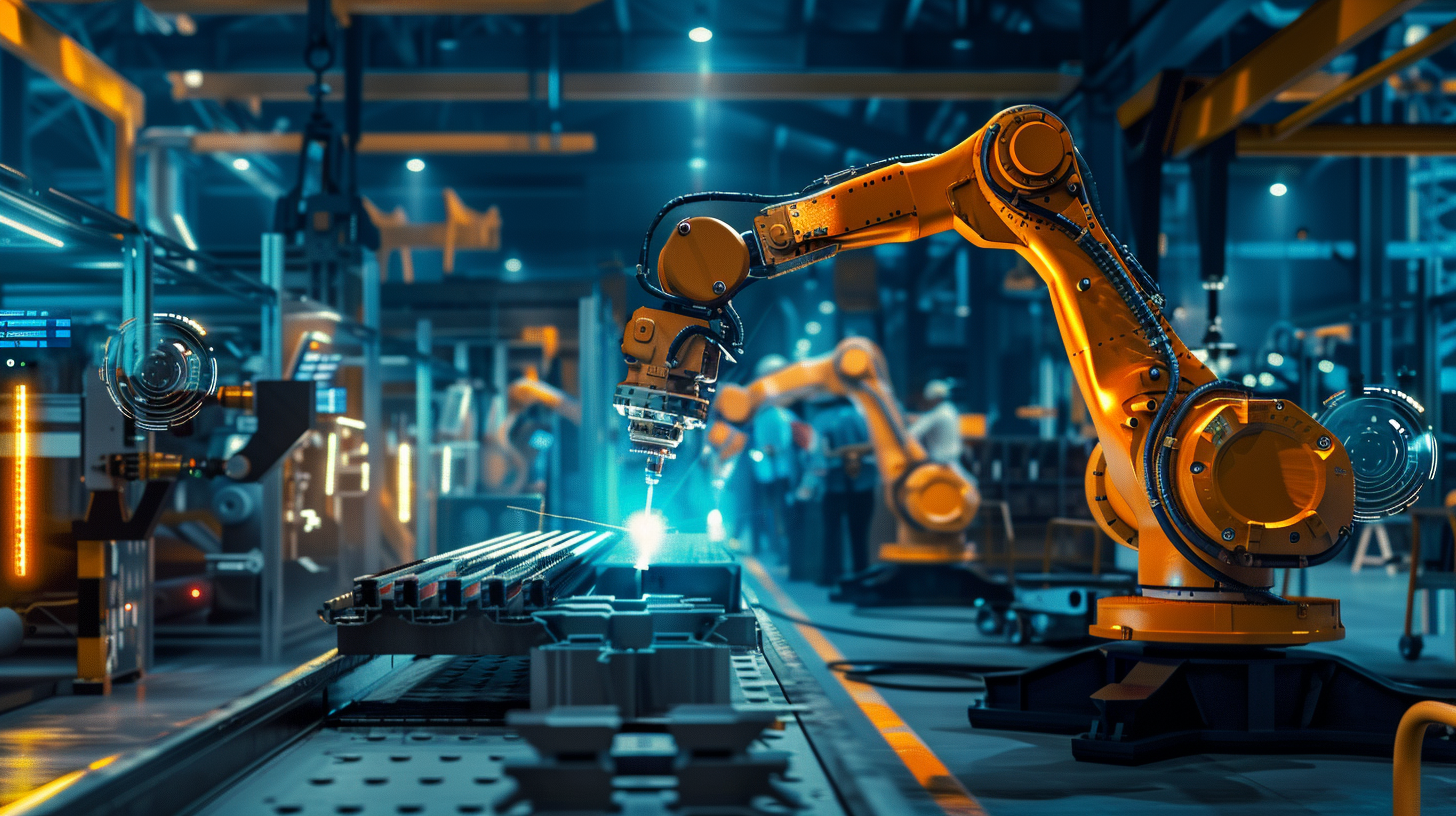
- Robotic and Automated Welding Systems: Integration of robotic arms and CNC systems allows automation of repetitive welding tasks and improves both speed and consistency. Advanced systems also use AI and vision sensors to dynamically adjust weld paths and parameters which also helps in achieving precision in real time. Robotic welding arms tend to deliver consistent weld quality by reducing human errors. CNC automation enables precision in cutting, bending, drilling and machining. Welding cobots are designed to work safely alongside humans on hybrid floor shops. Smart machines with sensors and feedback loops allow real-time monitoring and optimization. All these components work together and build a connected and agile fabrication ecosystem.
Benefits of Industry 4.0 in Welding and Fabrication
Below stated and some of the key benefits of industry 4.0 in the welding and fabrication sectors:
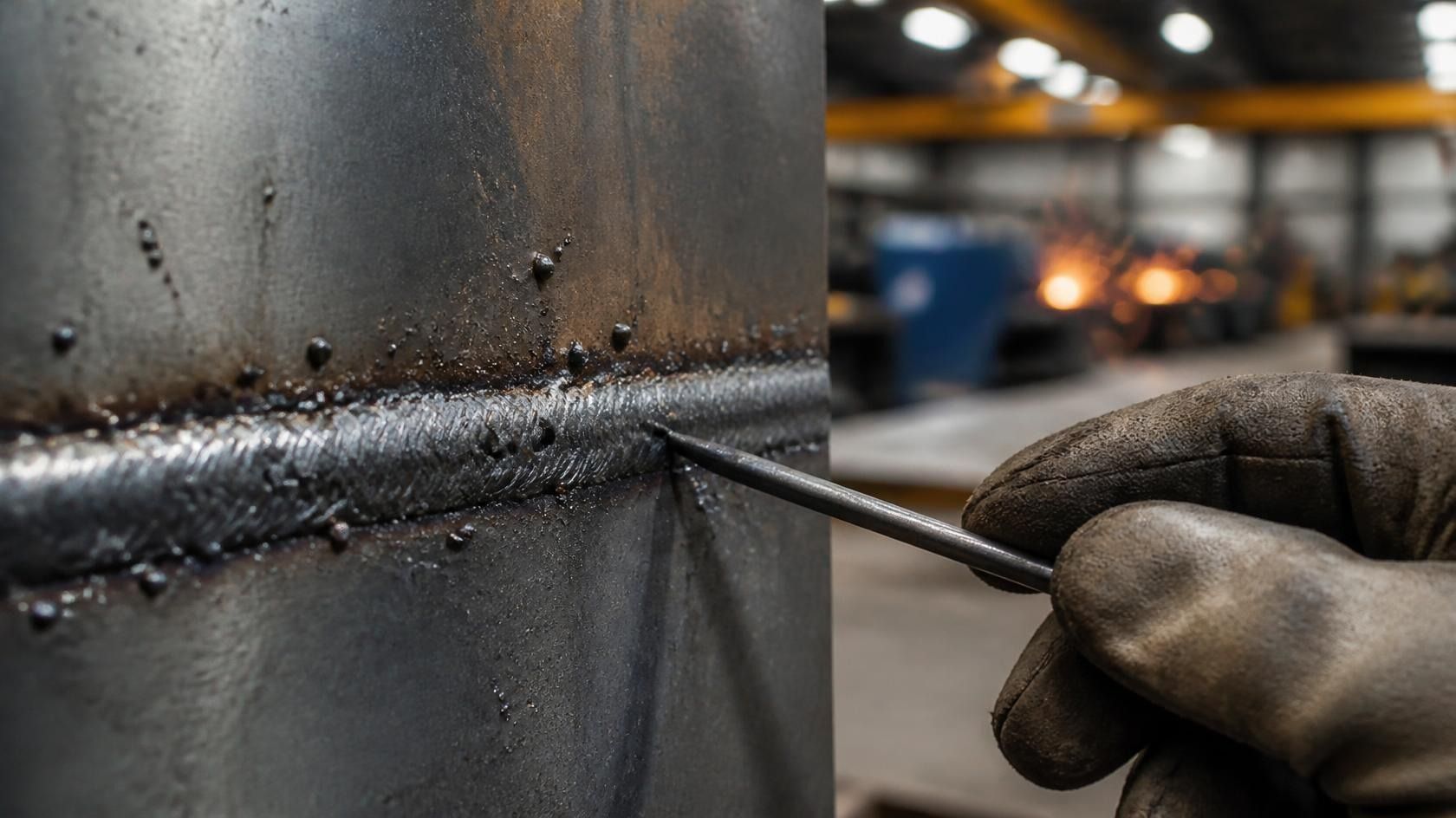
- Superior Weld Quality and Defect Reduction: The integration of IoT sensors and AI-based analytics enable continuous optimization process and reduces the defects in high-precision welding applications.
- Predictive Maintenance and Reduced Downtime: One of the most common benefits of Industry 4.0 is shift from reactive to predictive maintenance. IoT sensors tend to collect all sorts of operational details like how fast the weld travels, the amount of heat applied and arc stability during the process. This data helps in improving the processes by showing things that might go wrong due to incorrect materials or if certain equipment starts acting up. By catching these equipment issues beforehand, smart welding systems reduce unplanned downtime and emergency maintenance costs.
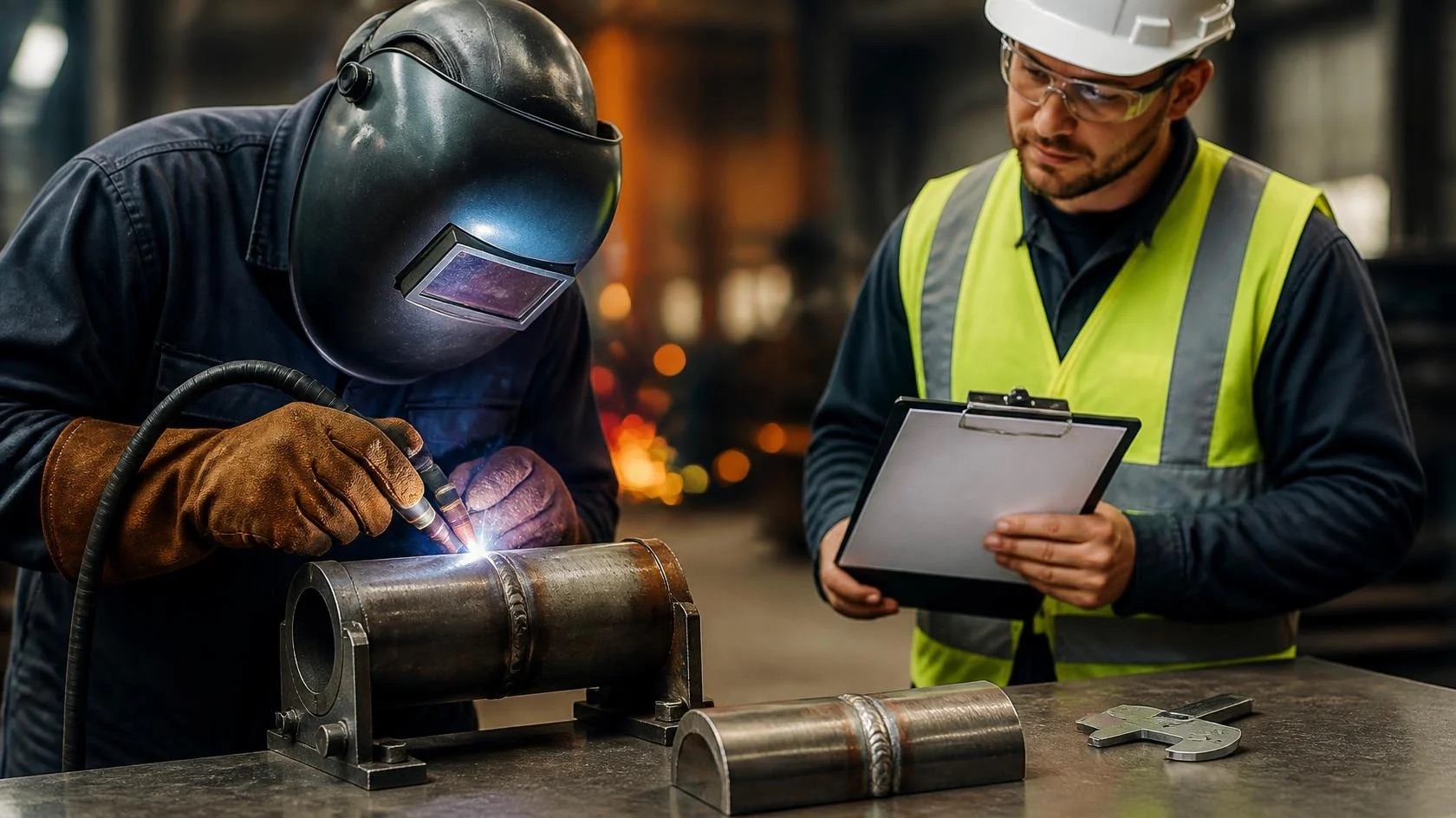
- Full Traceability and Quality Documentation: Every weld is recorded with timestamp and parameterized data for audit readiness which is a critical requirement for regulated industries such as aerospace, nuclear and pressure vessel fabrication. In all these applications, weld traceability is a mandatory requirement under international standards. Digital records replace paper-based systems and make the audit faster making it a more reliable and less labor-intensive medium.
- Enhanced Worker Safety: Welding is a hazardous process. Using robotic welding systems, cobots and automated handling tools can significantly reduce human exposure to heat, fumes and motion injuries. Smart systems can also monitor environmental conditions in real time and trigger alerts or shutdowns when fume levels, temperatures or arc flash risks exceed the safety criteria.
Future of Welding 4.0
The future of Welding 4.0 is rapidly expanding with the inclusion of cutting-edge tools like augmented reality welding helmets, blockchain-based quality assurance and digital twins for simulating and optimizing the welding lines before deployment. Some of the upcoming future trends also include artificial intelligence and machine learning, smart sensing, vision systems, seam tracking, etc.
Take Away
This is the brief explanation about Industry 4.0, its key technologies, benefits and future trends. We hope this information will be effective for you. Please let us know through your valuable feedback and the suggestion in the drop box.